Around Hawaii
Conditions vary across the state. Choose your city below, then describe what’s happening around your home or business.
Local snake information
Learn what to look for around your property, explore your city, and ask about an inspection or a quote.
Conditions vary across the state. Choose your city below, then describe what’s happening around your home or business.
Where you see snakes, how long it has been going on, and anything you’ve already tried are the most useful details to mention.
Ask about an inspection, what treatment would involve, and whether follow-up visits are included. You don’t need to identify the problem yourself before getting in touch.
Before you compare quotes, it helps to know which snakes actually live in Hawaii, when they are busiest, and what the state figures look like. Everything below links to the agency or university page it came from.
Hawaii's injurious wildlife list covers "All species in the suborder Serpentes" except the brahminy blindsnake and the yellow-bellied sea snake.
Hawaii Department of Land and Natural Resources, Division of Forestry and WildlifeAnyone convicted of owning, transporting or possessing any snake may also be billed for the cost of capturing or eradicating it.
Hawaii Department of Agriculture, Plant Industry DivisionIt is venomous but small-mouthed and unaggressive unless harassed, and the state calls it pelagic, rare and "not common in Hawai'i" - it is an ocean animal, not a yard or household snake.
Hawaii Department of Land and Natural Resources, Division of Forestry and WildlifeHawaii has no established land snakes; the only snake the state recognizes as indigenous is the pelagic yellow-bellied sea snake, which is venomous but rarely comes ashore.
Sources: Hawaii Department of Land and Natural Resources, Division of Forestry and Wildlife; Hawaii Department of Agriculture, Plant Industry Division; CDC/NIOSH. Figures are quoted as the source prints them. How we check our sources
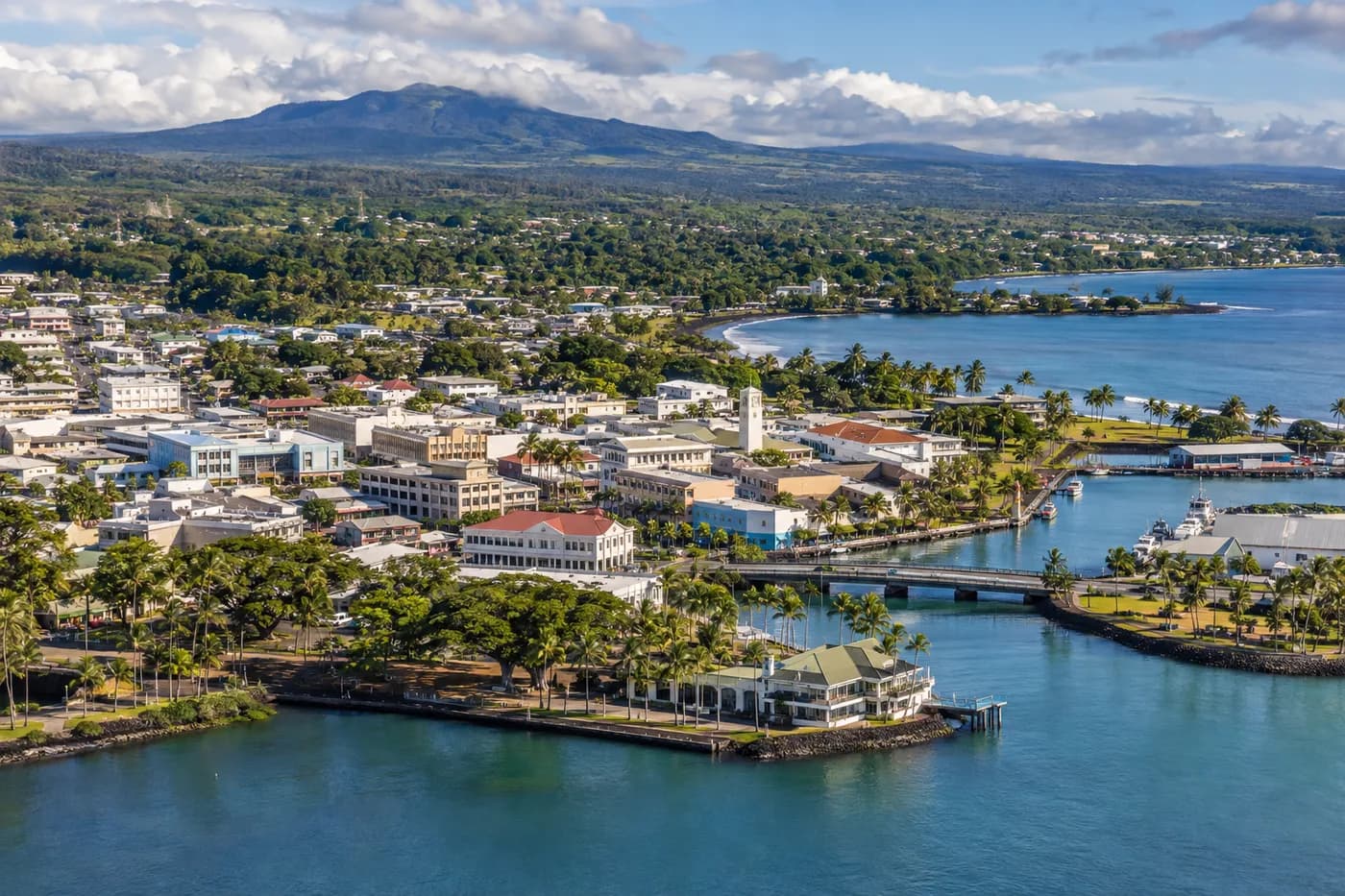
Tropical Rainforest · suburban setting
Read the local guide →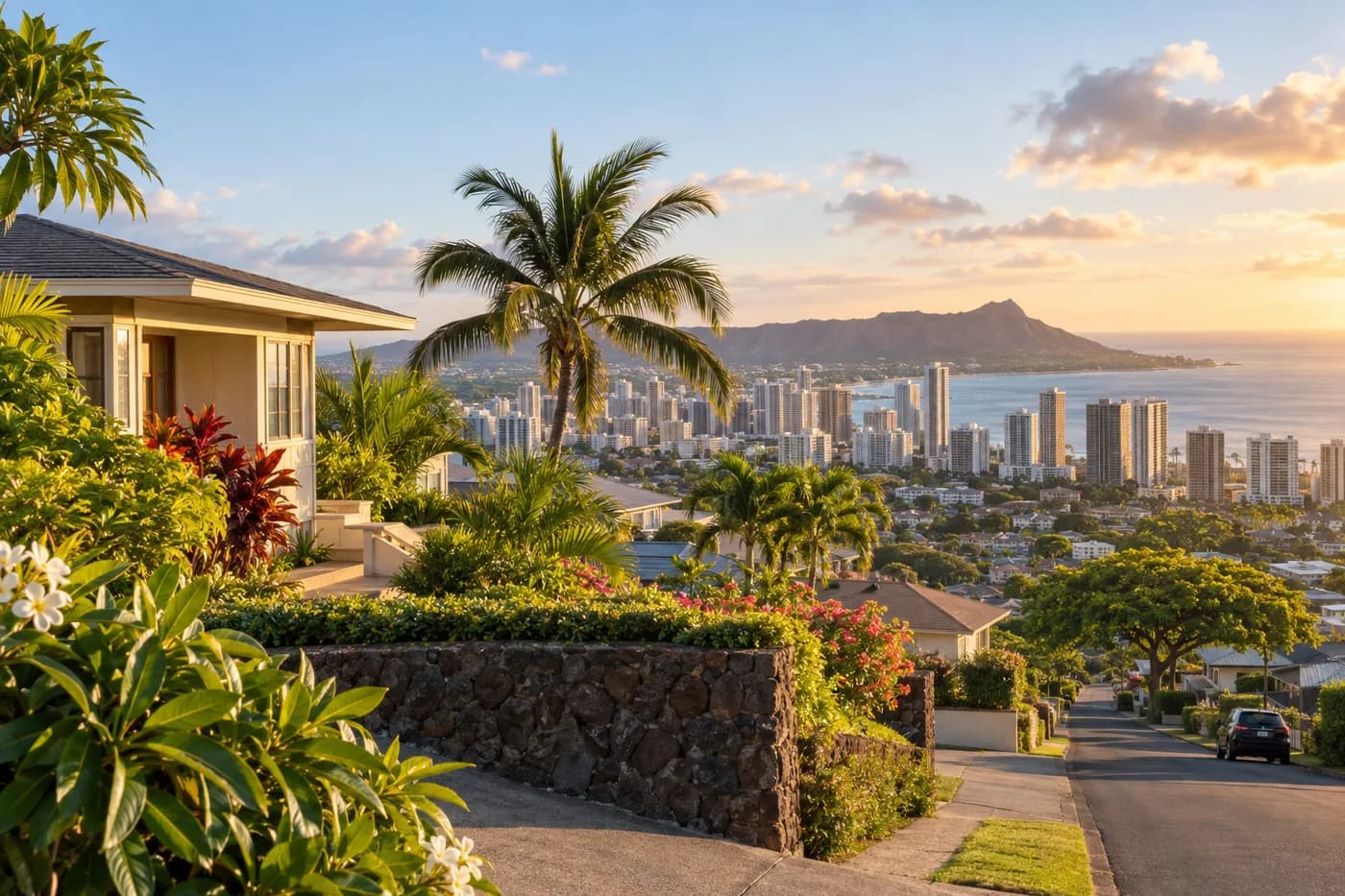
Tropical · urban setting
Read the local guide →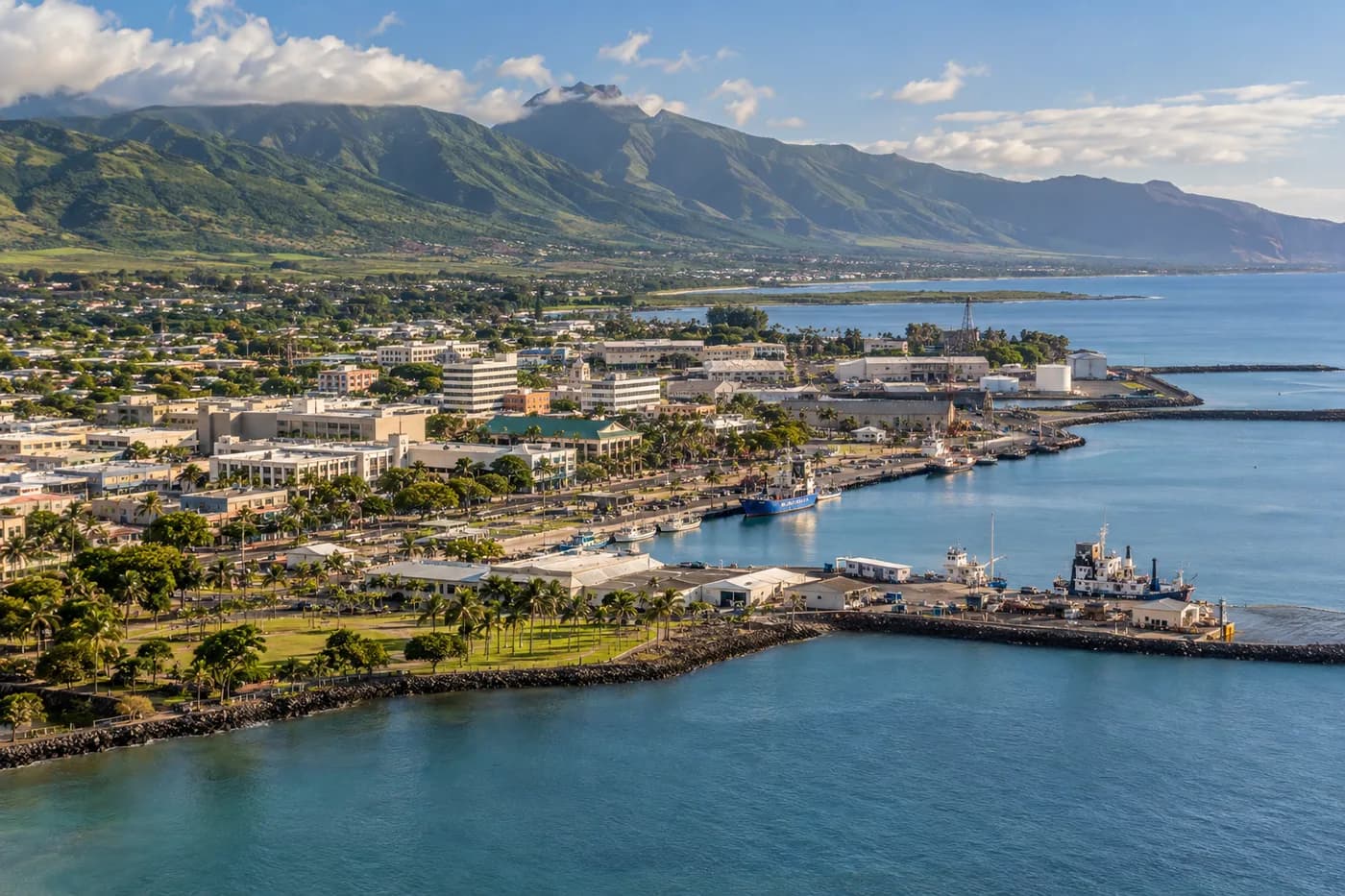
Tropical · suburban setting
Read the local guide →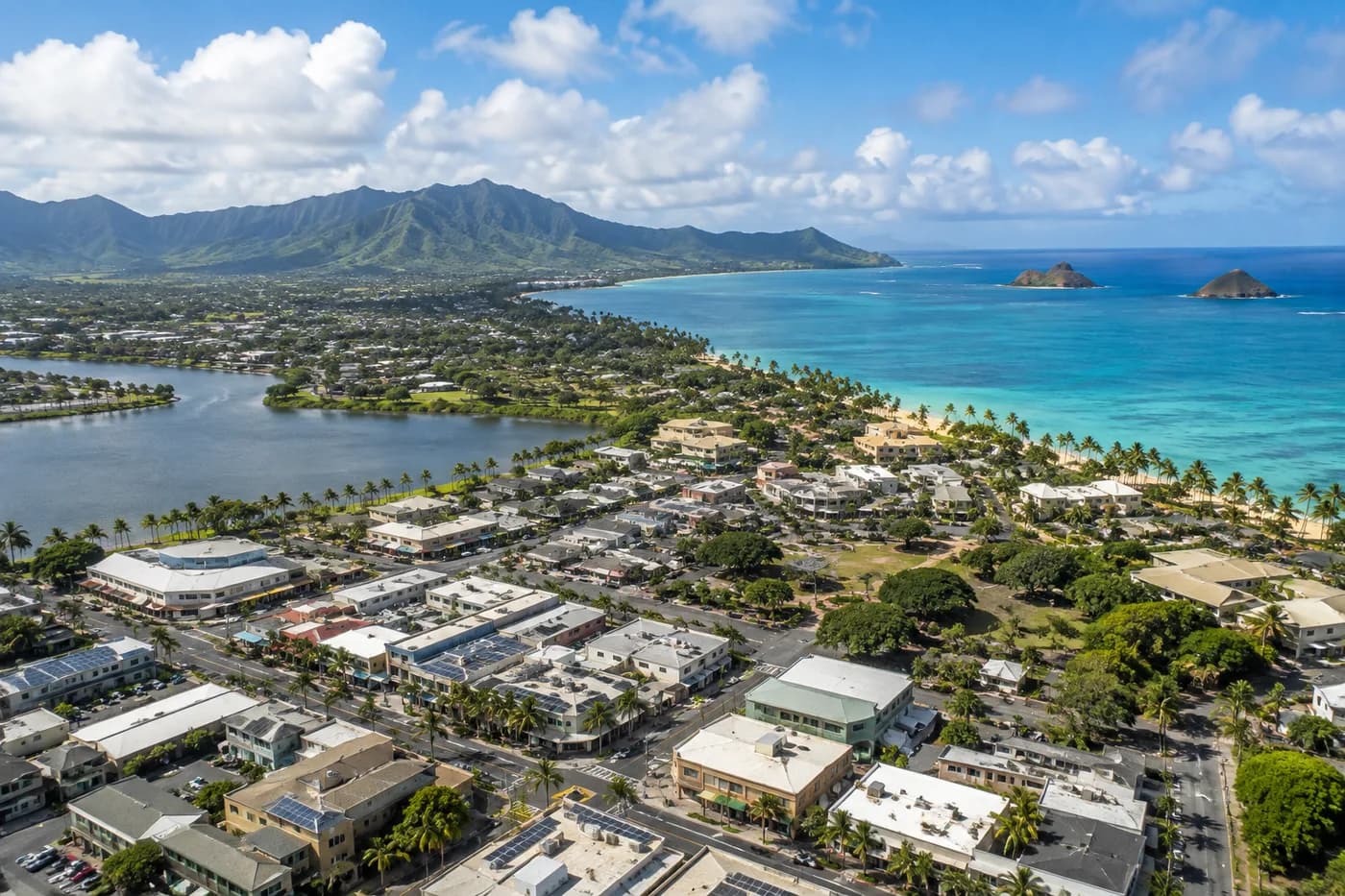
Tropical · suburban setting
Read the local guide →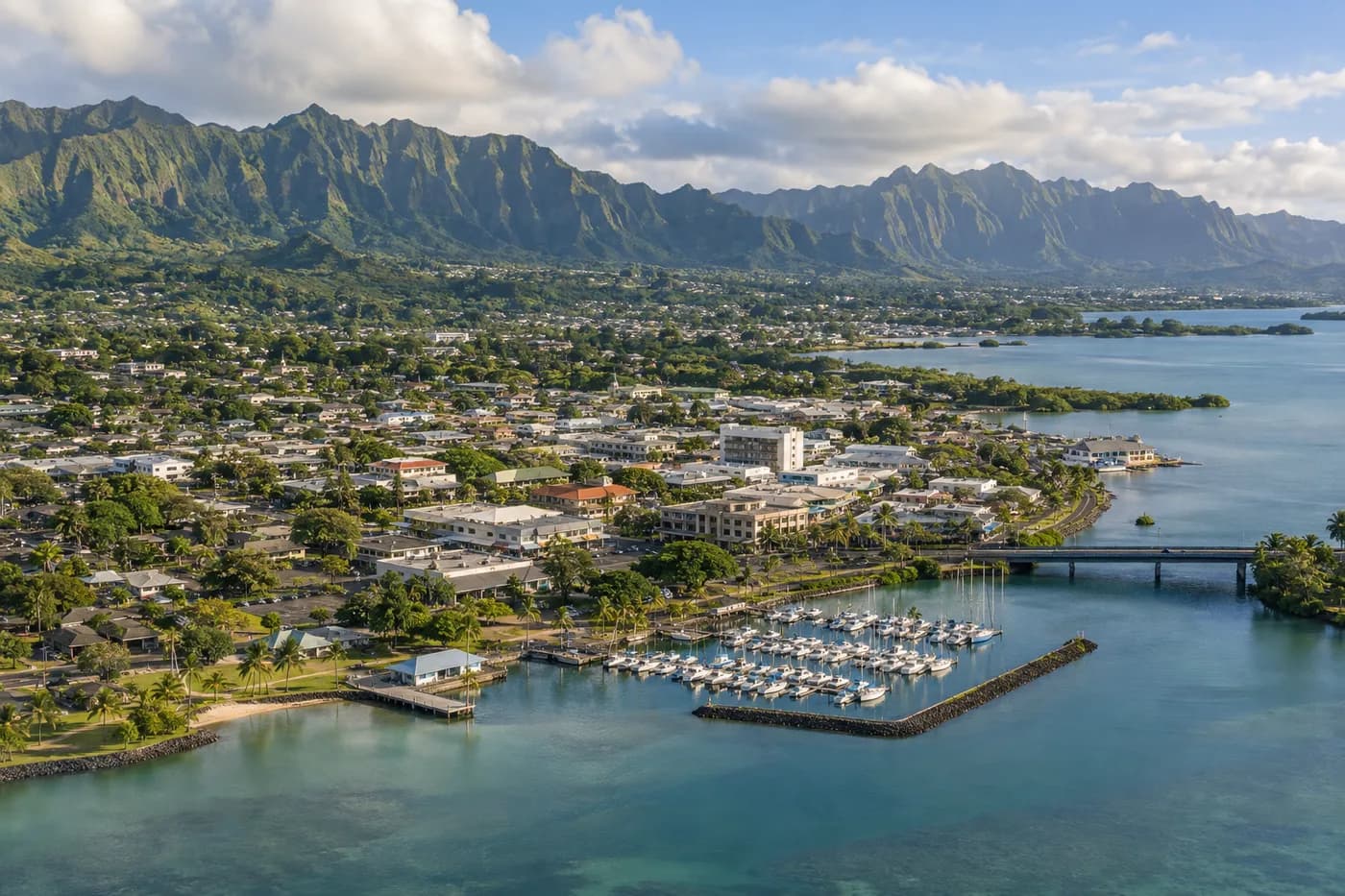
Tropical · suburban setting
Read the local guide →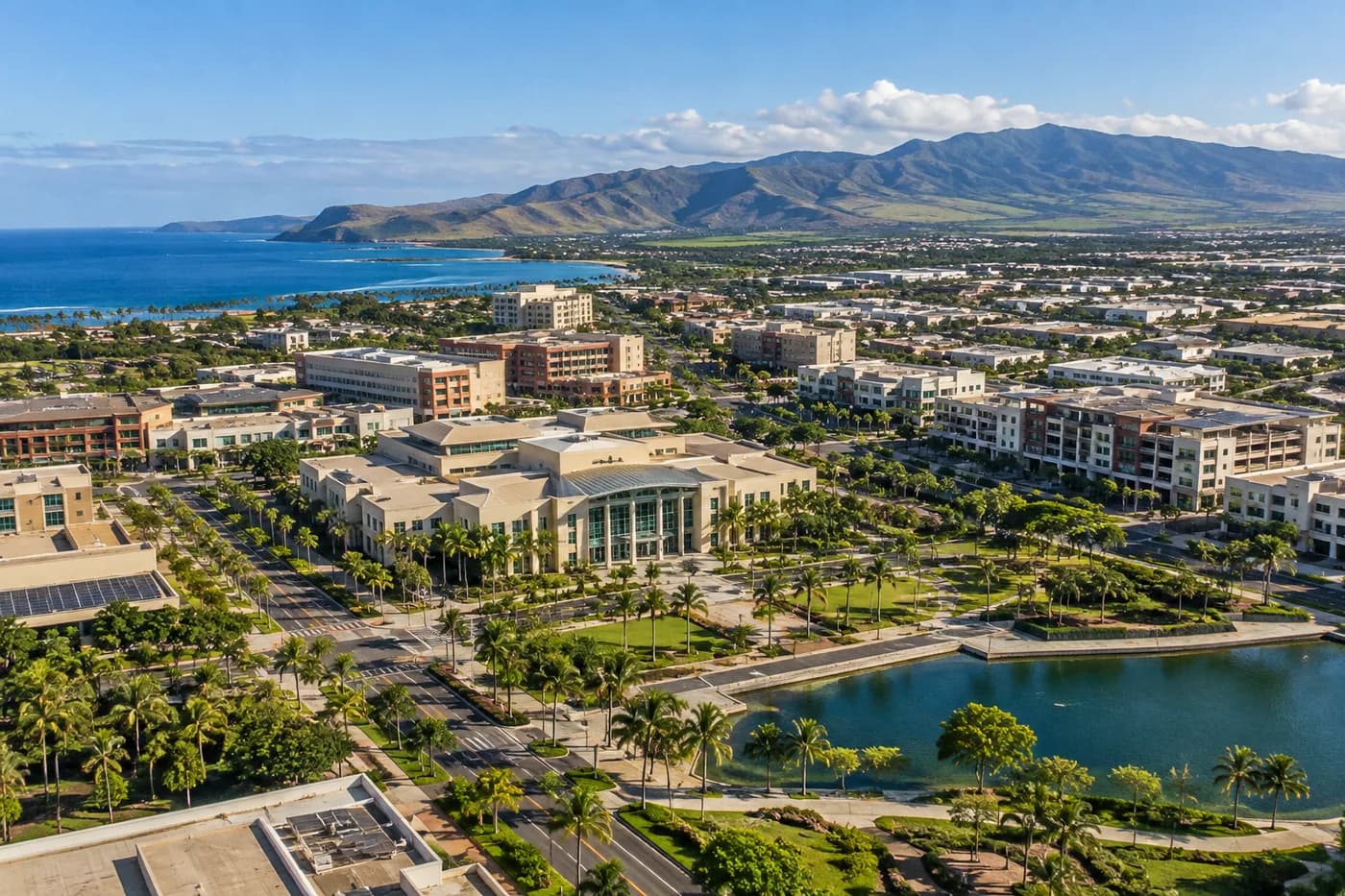
Tropical · suburban setting
Read the local guide →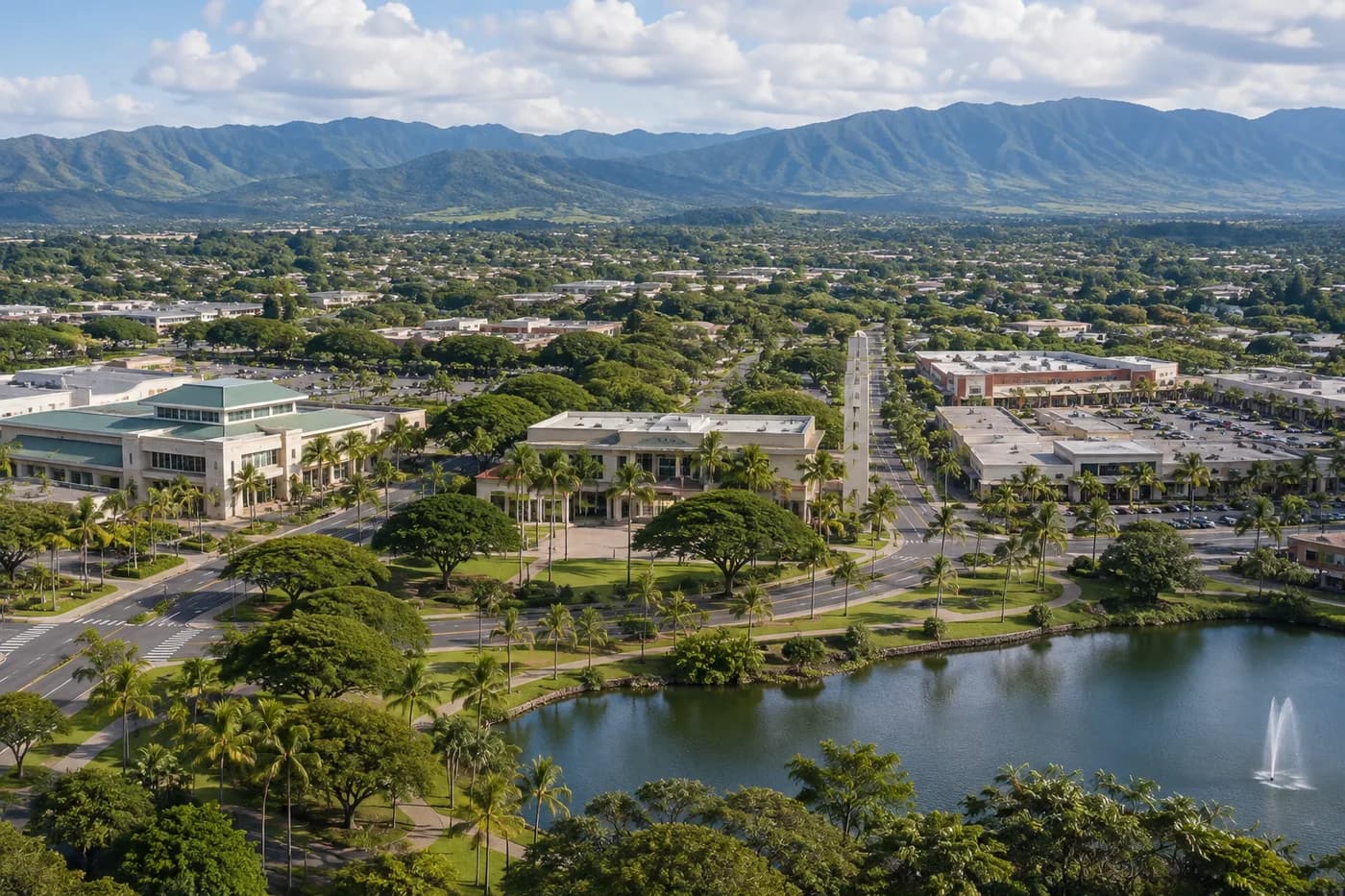
Tropical · suburban setting
Read the local guide →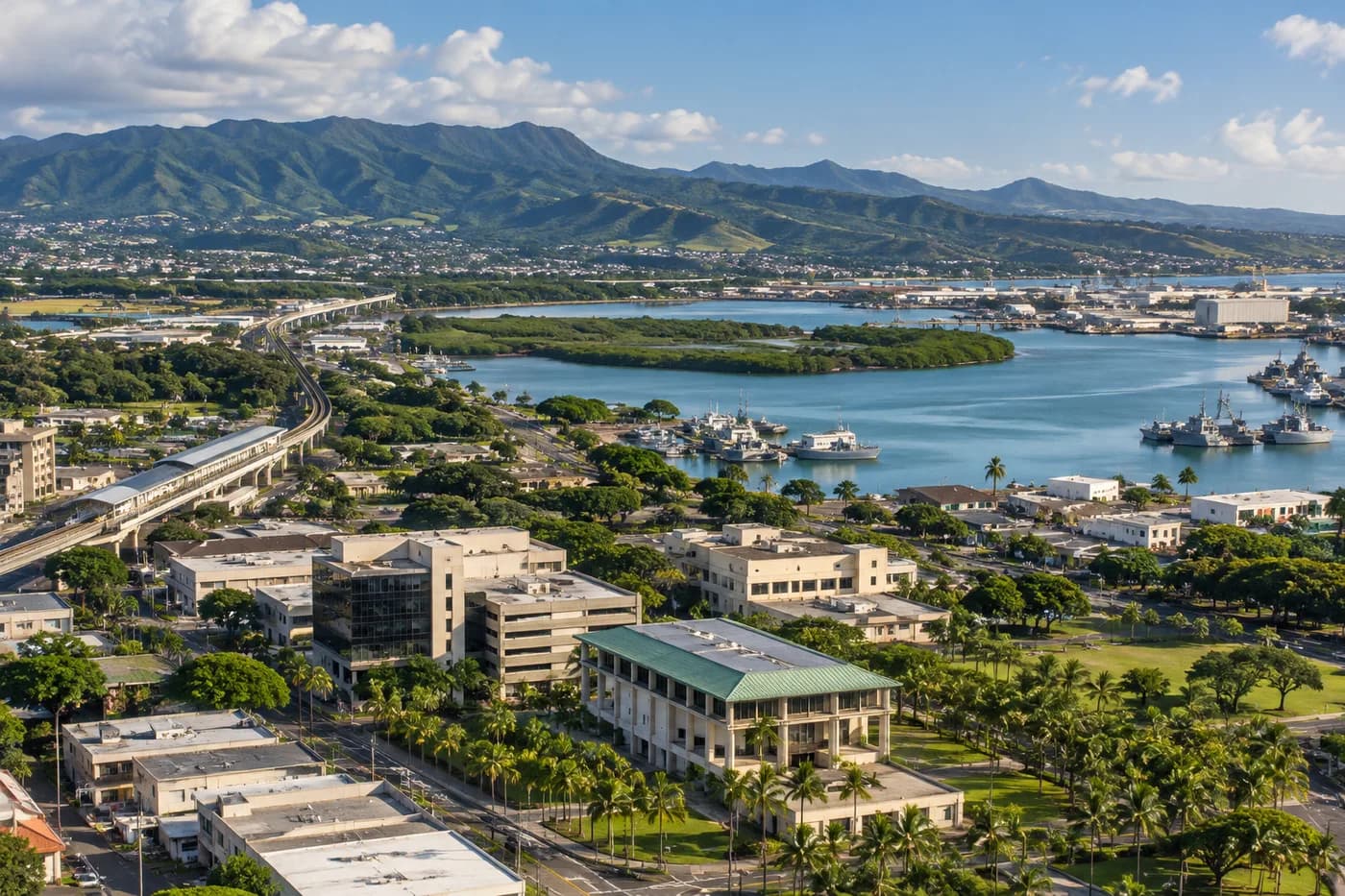
Tropical · urban setting
Read the local guide →