Around Louisiana
Conditions vary across the state. Choose your city below, then describe what’s happening around your home or business.
Local snake information
Learn what to look for around your property, explore your city, and ask about an inspection or a quote.
Conditions vary across the state. Choose your city below, then describe what’s happening around your home or business.
Where you see snakes, how long it has been going on, and anything you’ve already tried are the most useful details to mention.
Ask about an inspection, what treatment would involve, and whether follow-up visits are included. You don’t need to identify the problem yourself before getting in touch.
Before you compare quotes, it helps to know which snakes actually live in Louisiana, when they are busiest, and what the state figures look like. Everything below links to the agency or university page it came from.
Only the copperhead and cottonmouth are widespread and common.
Louisiana Department of Wildlife and FisheriesLDWF notes cottonmouths are highly defensive and not inclined to move out of the way.
Louisiana Department of Wildlife and FisheriesActive at night and very early morning in summer, and hazardous mainly because they lie motionless and camouflaged.
Louisiana Department of Wildlife and FisheriesLDWF notes timber rattlesnakes move from hibernation sites to summer foraging grounds in mid-spring and return in late summer and early fall, when they are most often seen.
The harlequin coralsnake and eastern diamond-backed rattlesnake are on LDWF's list but have no recent confirmed Louisiana records, so practical risk statewide comes from copperheads, cottonmouths and the two rattlesnakes.
Sources: Louisiana Department of Wildlife and Fisheries; CDC/NIOSH; Nuisance wildlife: Snakes; Recognizing Florida's Venomous Snakes (WEC 202/UW229). Figures are quoted as the source prints them. How we check our sources
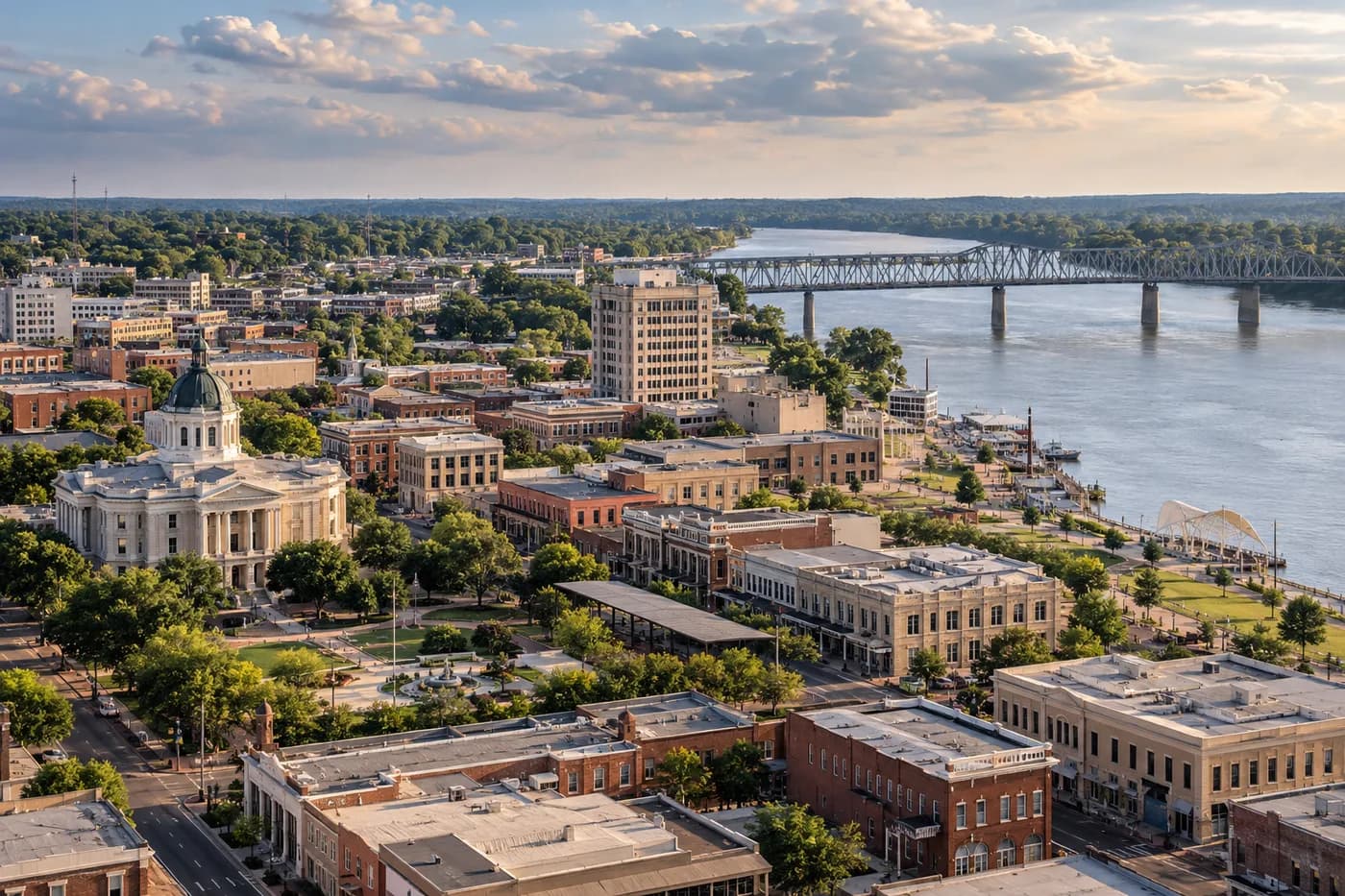
Humid Subtropical · suburban setting
Read the local guide →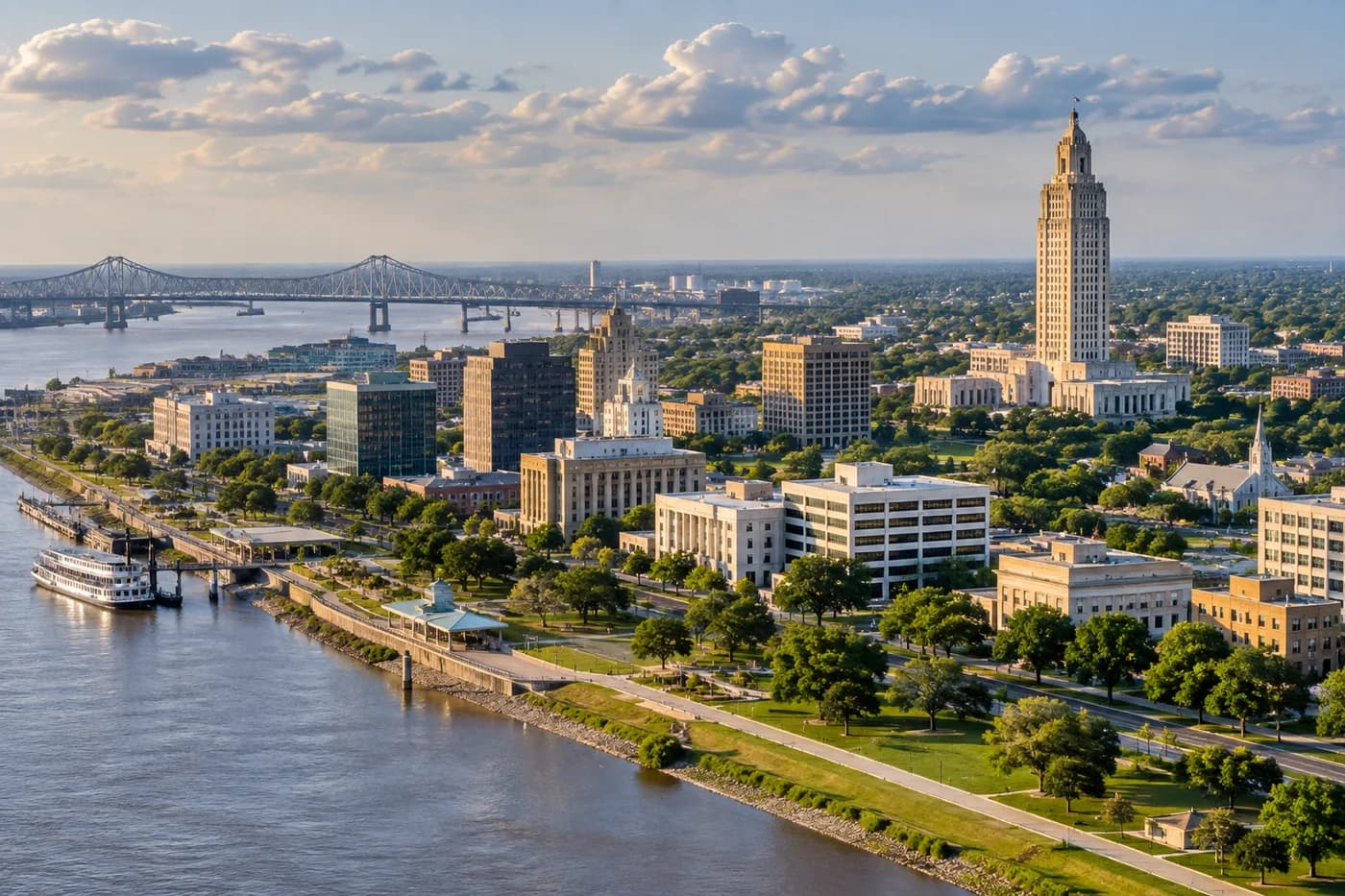
Humid Subtropical · urban setting
Read the local guide →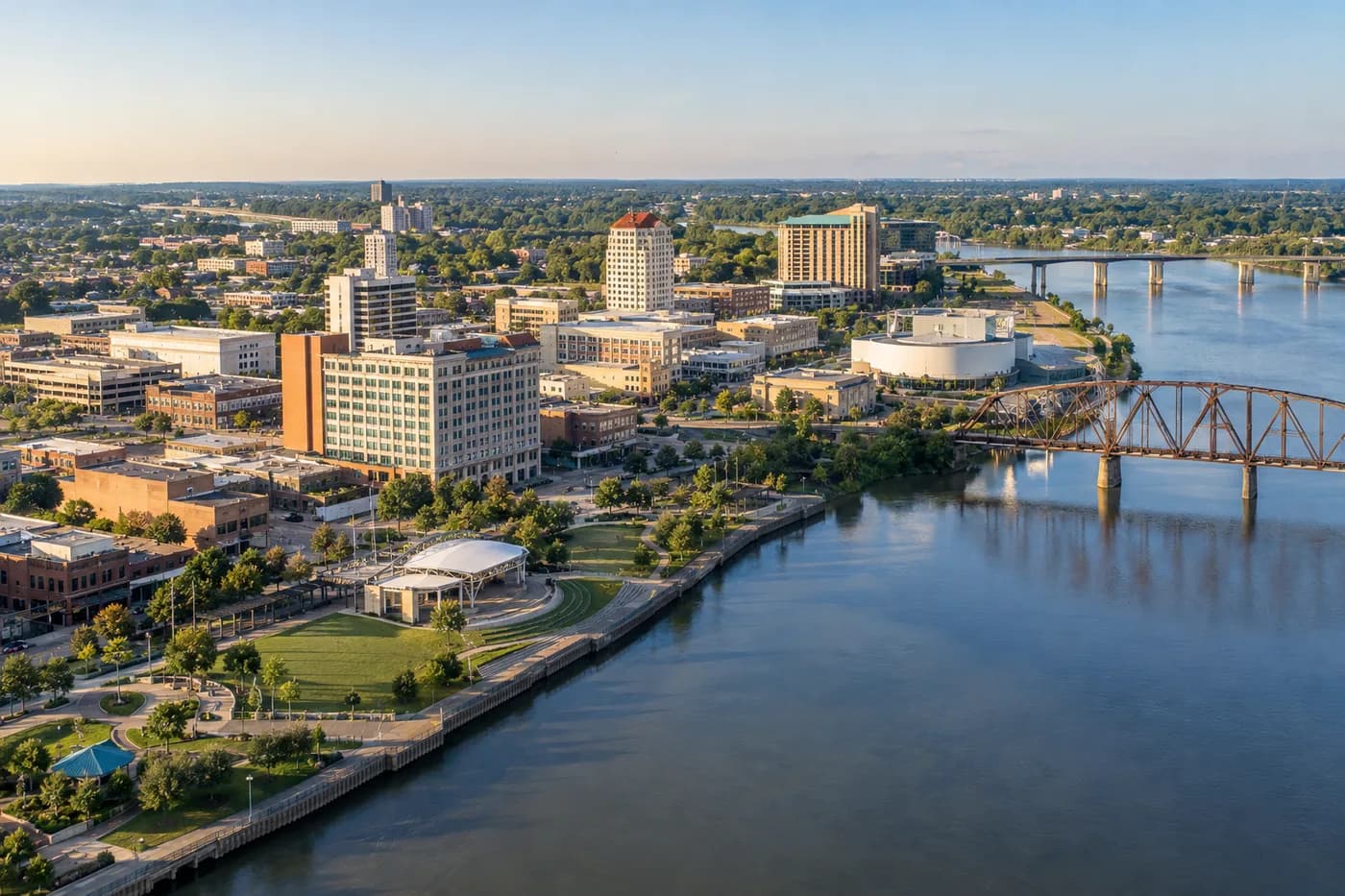
Humid Subtropical · suburban setting
Read the local guide →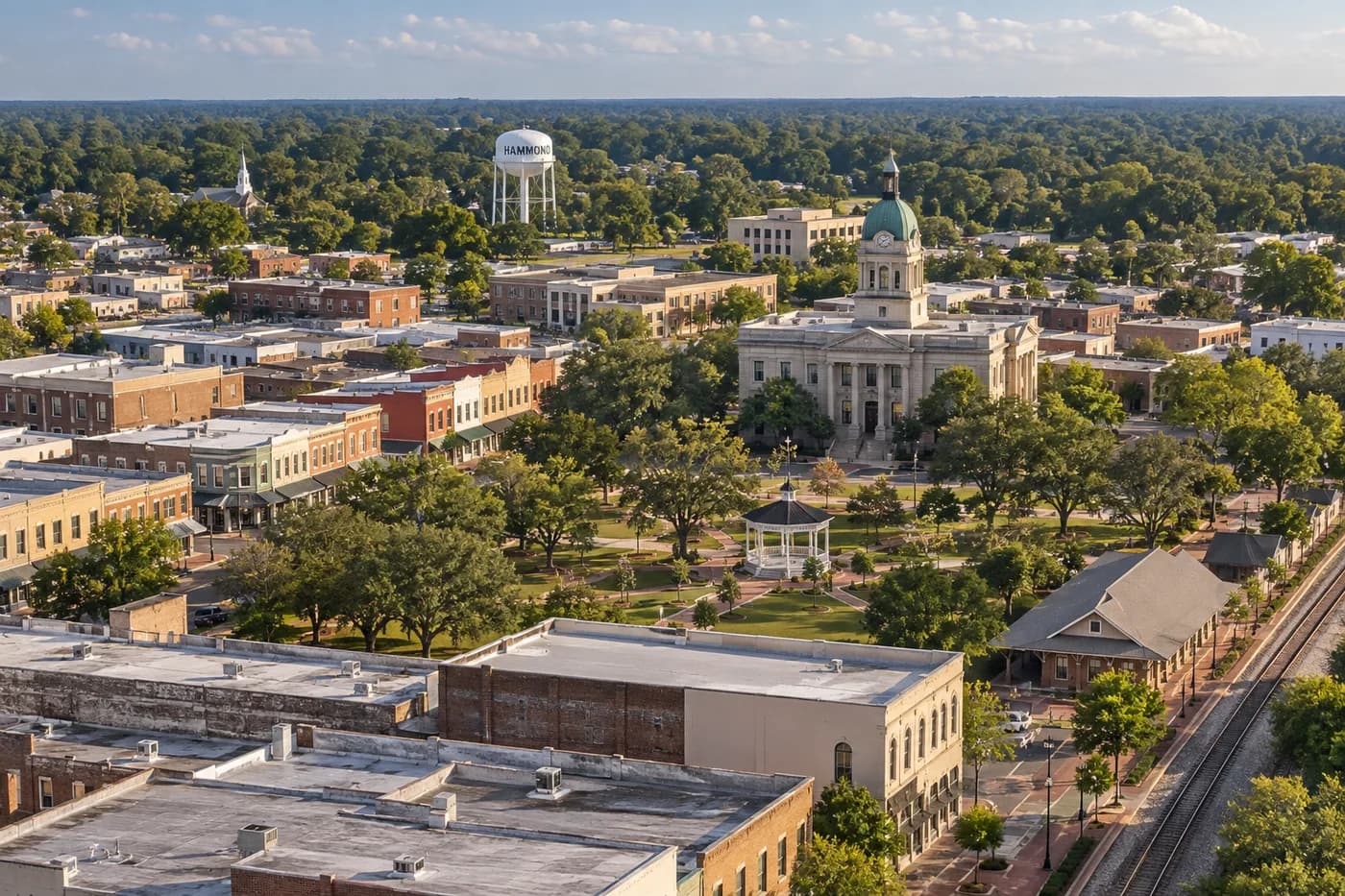
Humid Subtropical · rural setting
Read the local guide →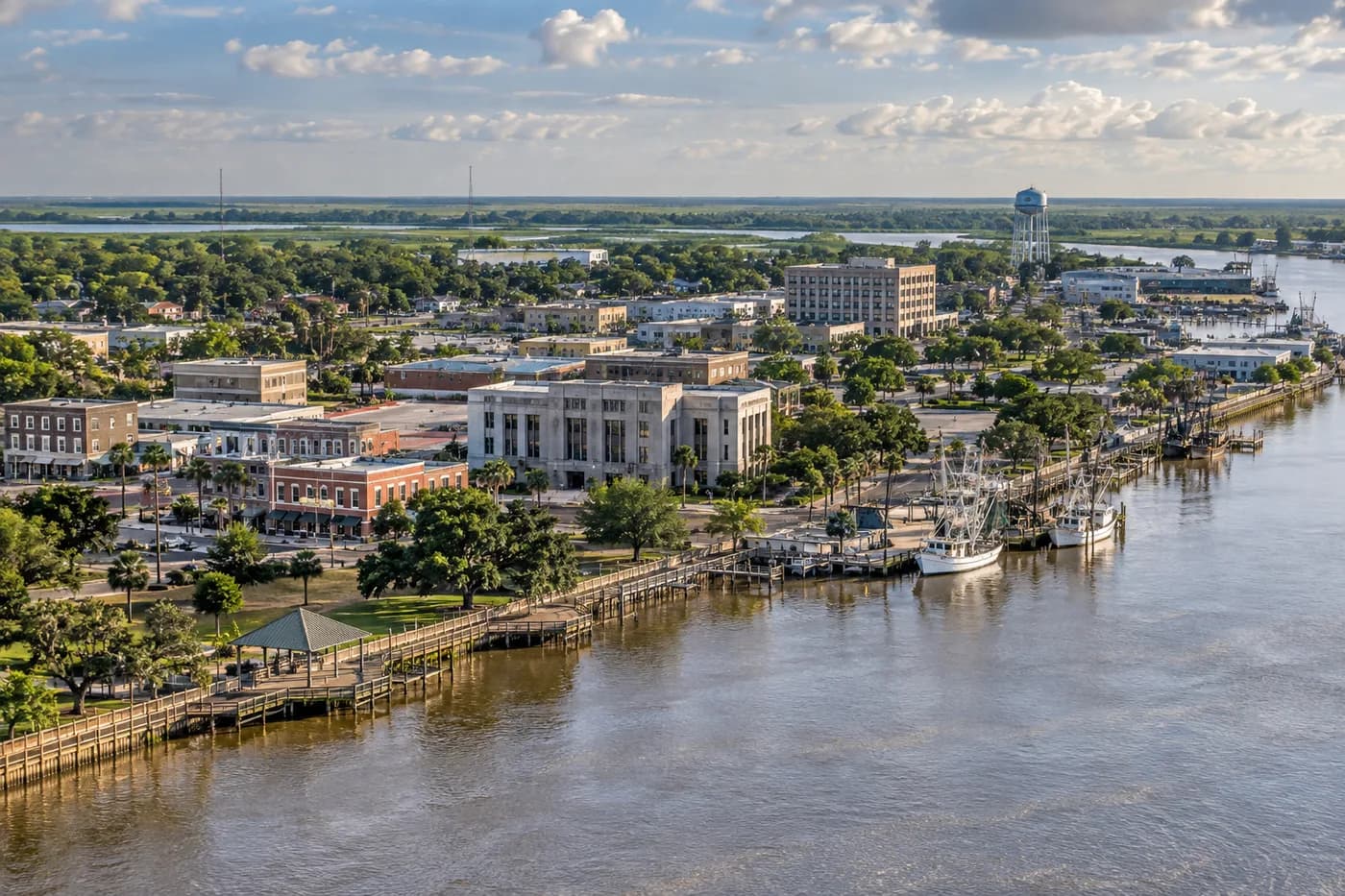
Humid Subtropical · suburban setting
Read the local guide →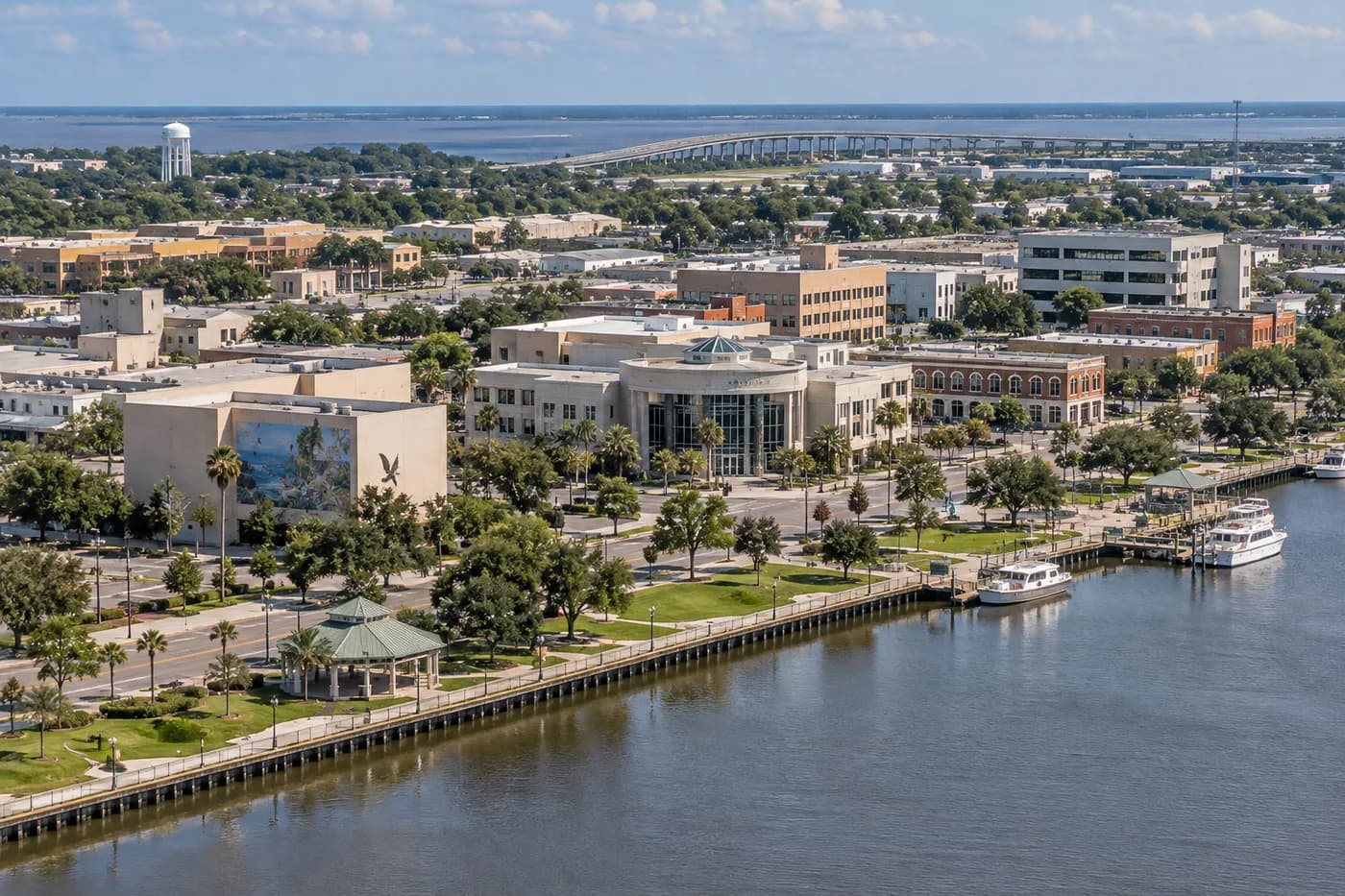
Humid Subtropical · suburban setting
Read the local guide →
Humid Subtropical · urban setting
Read the local guide →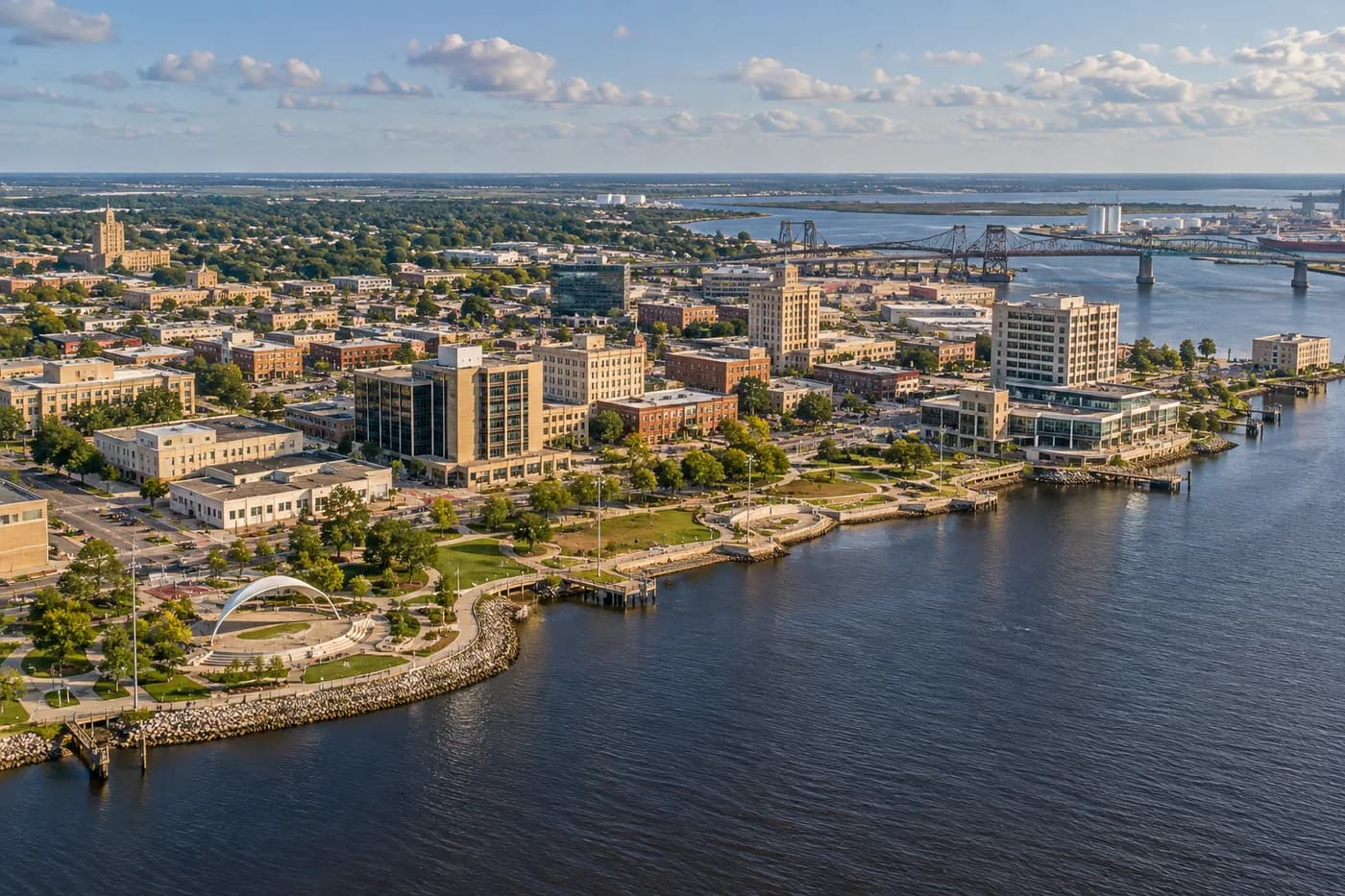
Humid Subtropical · urban setting
Read the local guide →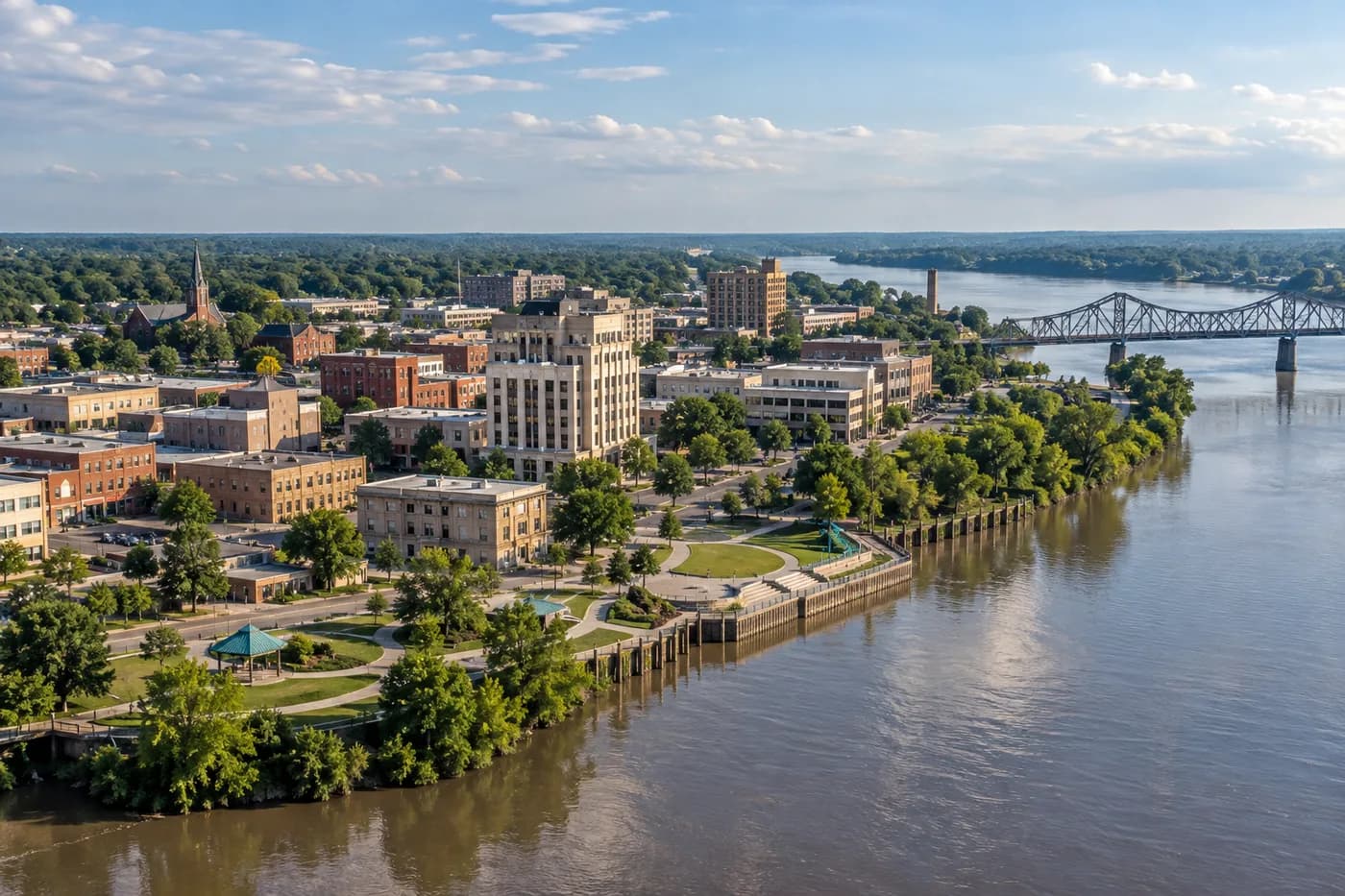
Humid Subtropical · urban setting
Read the local guide →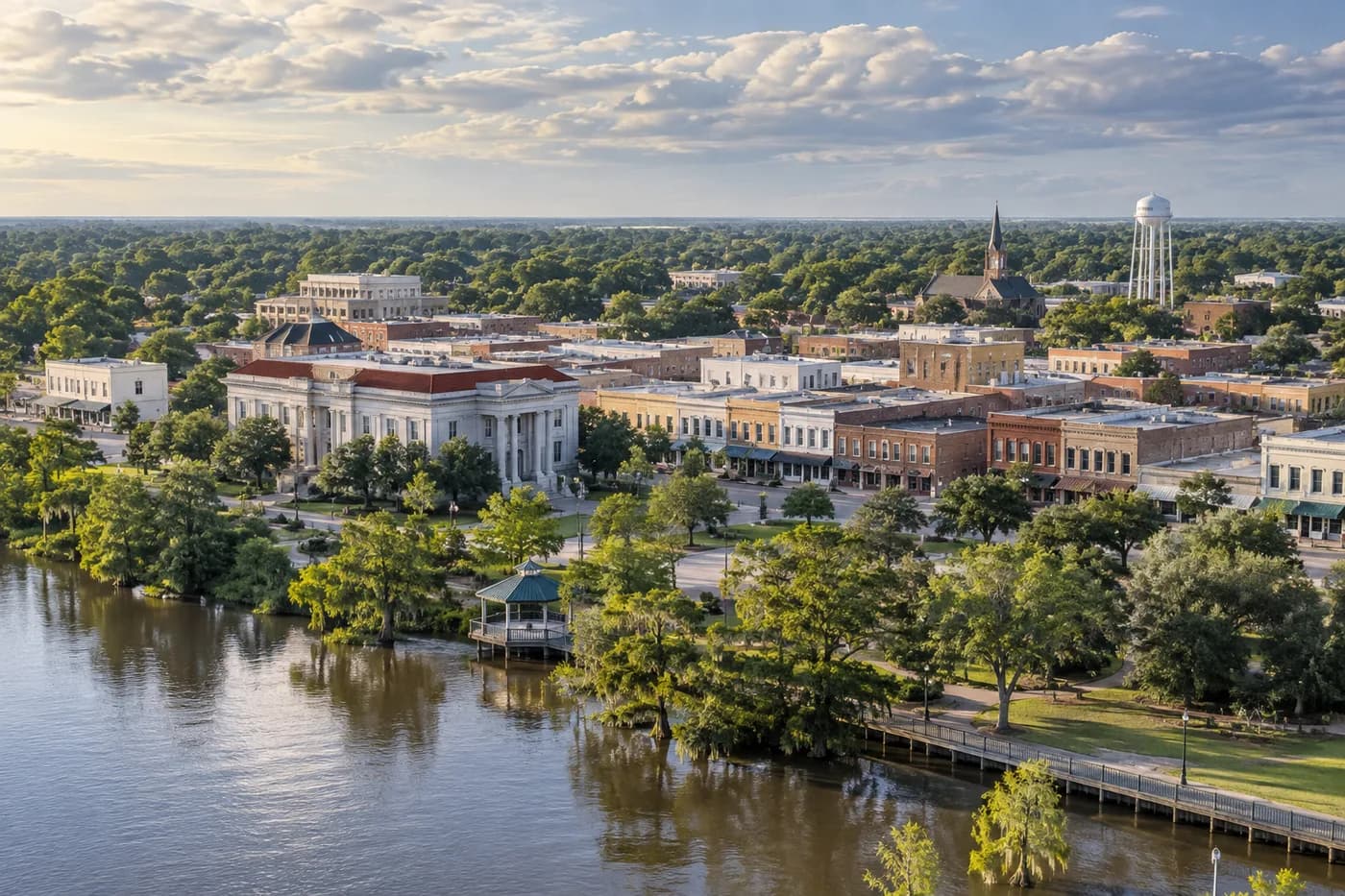
Humid Subtropical · rural setting
Read the local guide →
Humid Subtropical · urban setting
Read the local guide →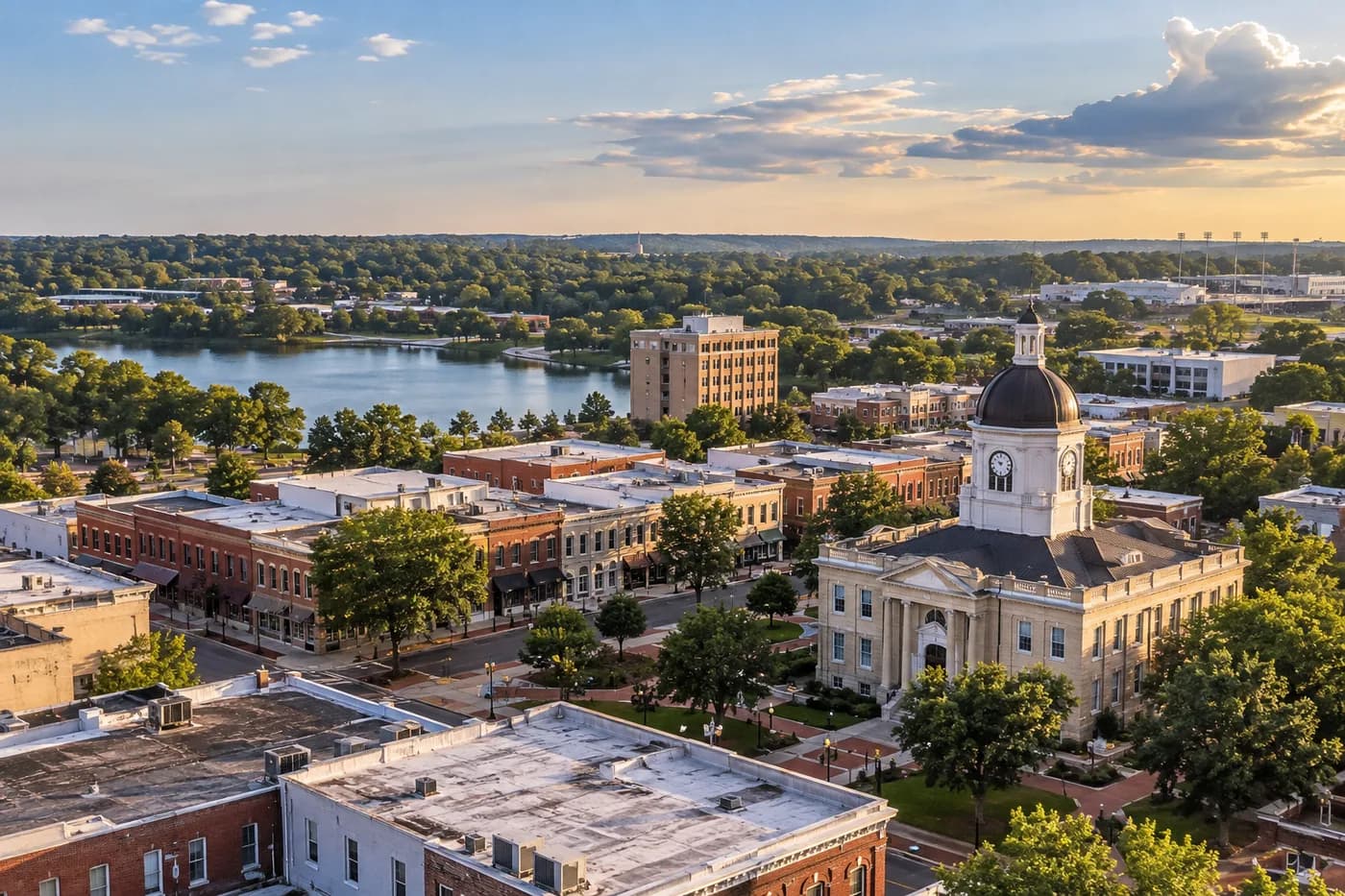
Humid Subtropical · rural setting
Read the local guide →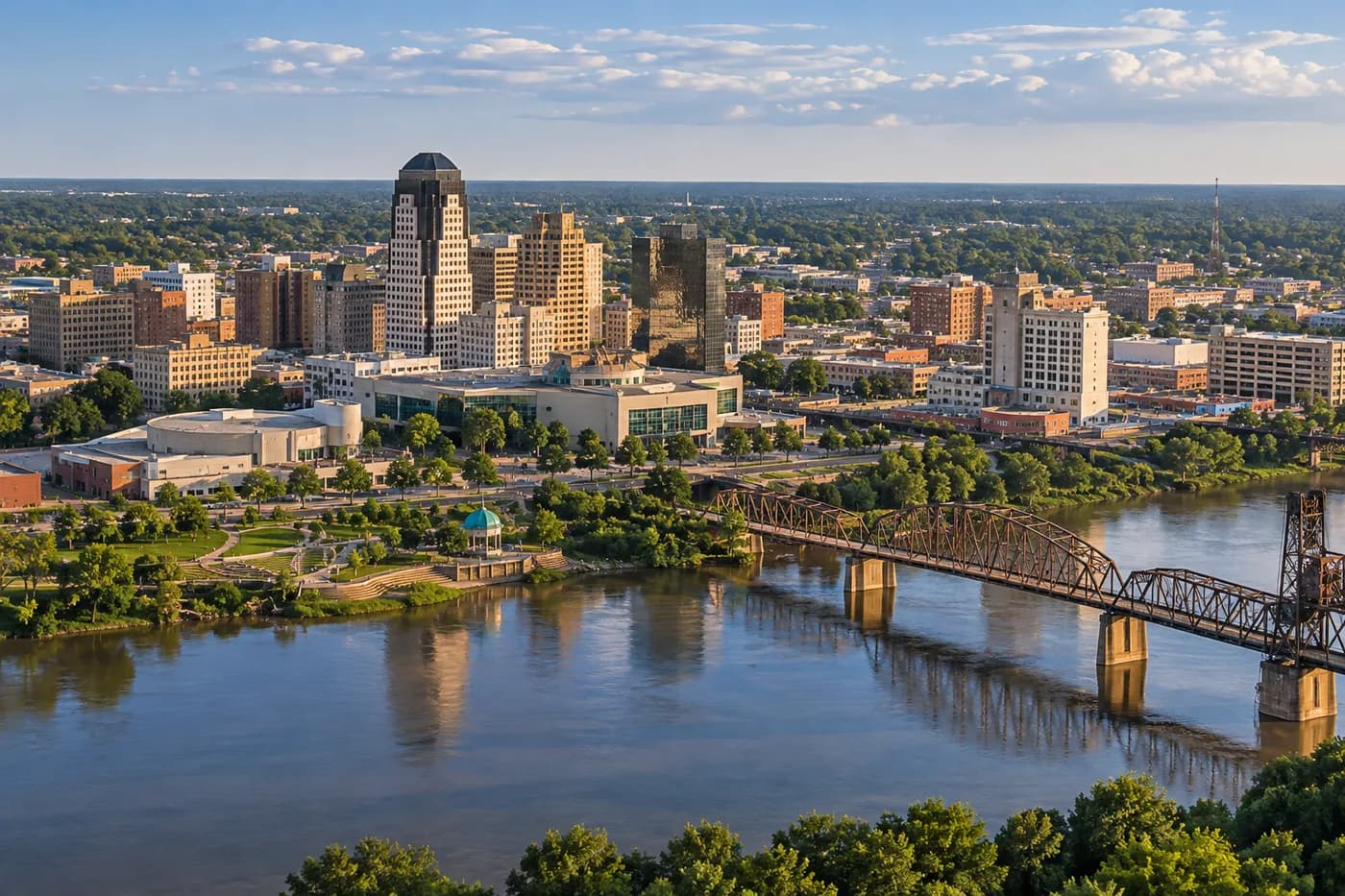
Humid Subtropical · urban setting
Read the local guide →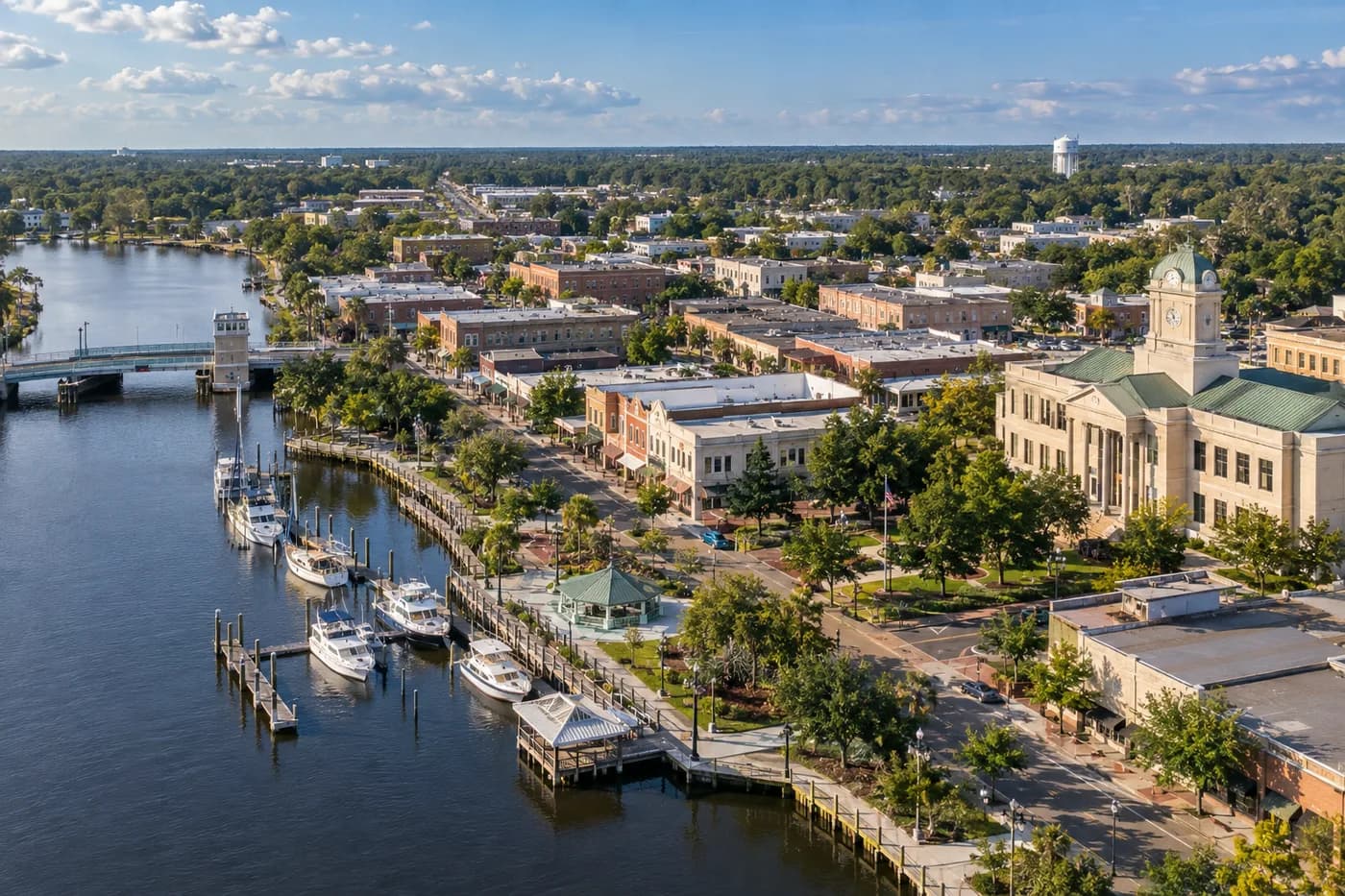
Humid Subtropical · suburban setting
Read the local guide →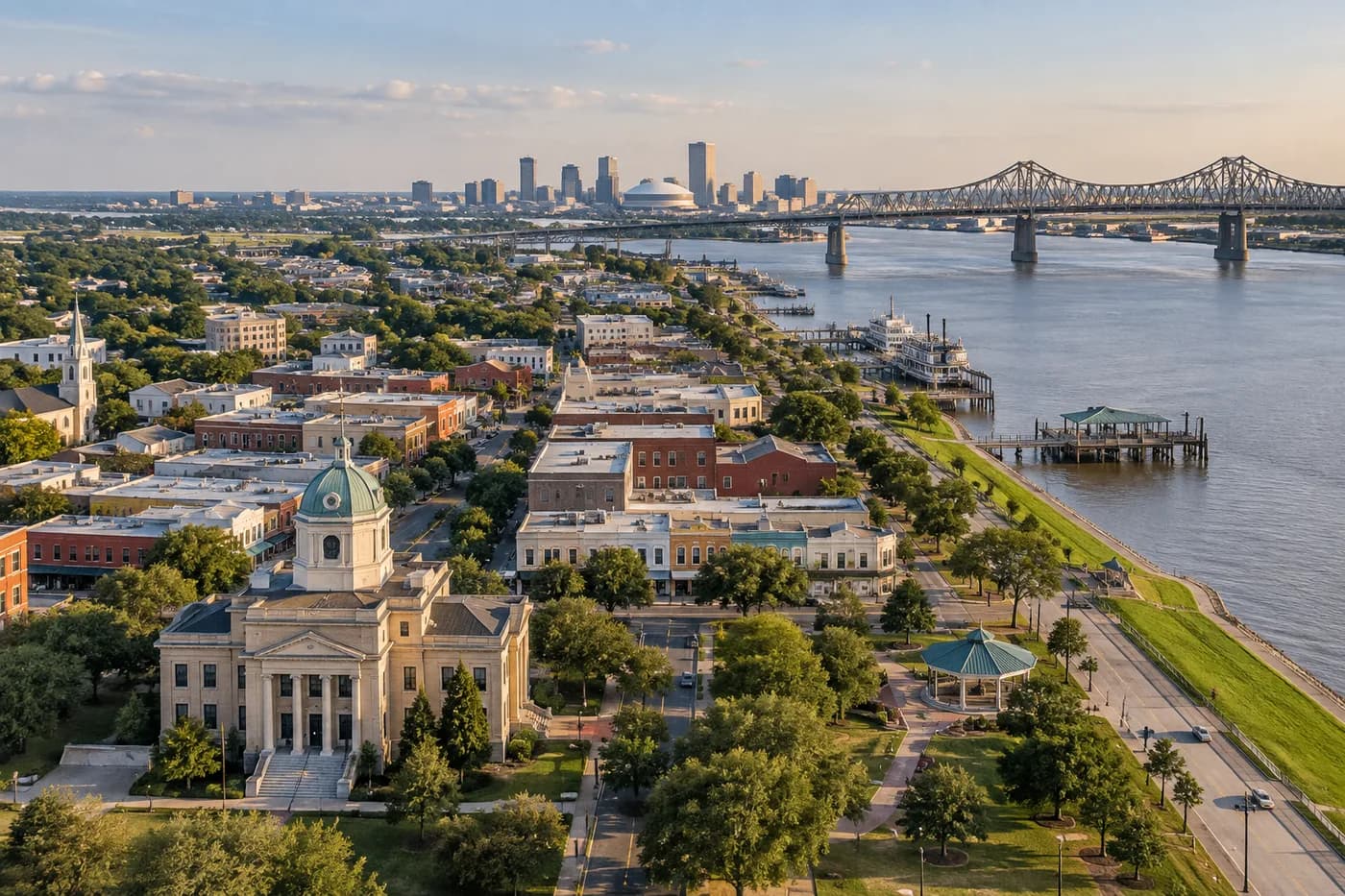
Humid Subtropical · suburban setting
Read the local guide →