Around Montana
Conditions vary across the state. Choose your city below, then describe what’s happening around your home or business.
Local snake information
Learn what to look for around your property, explore your city, and ask about an inspection or a quote.
Conditions vary across the state. Choose your city below, then describe what’s happening around your home or business.
Where you see snakes, how long it has been going on, and anything you’ve already tried are the most useful details to mention.
Ask about an inspection, what treatment would involve, and whether follow-up visits are included. You don’t need to identify the problem yourself before getting in touch.
Before you compare quotes, it helps to know which snakes actually live in Montana, when they are busiest, and what the state figures look like. Everything below links to the agency or university page it came from.
It is also the only native Montana snake with a rattle on its tail.
Montana State University ExtensionThey are most likely on south-facing slopes and around rock outcrops, and turn up in yards near brush and wood piles.
Montana State University ExtensionFWP advises leaving snakes alone and using exclusion - sealing openings a quarter inch or larger - rather than killing them.
Montana Fish, Wildlife & ParksMost rattlesnake encounters and bites in Montana fall between April and September, with snakes basking mid-morning after cool nights and inactive below about 60 degrees F.
Montana FWP and MSU Extension use different common names - western rattlesnake and prairie rattlesnake - for the same species, Crotalus viridis.
Sources: Montana State University Extension; Montana Fish, Wildlife & Parks; CDC/NIOSH. Figures are quoted as the source prints them. How we check our sources
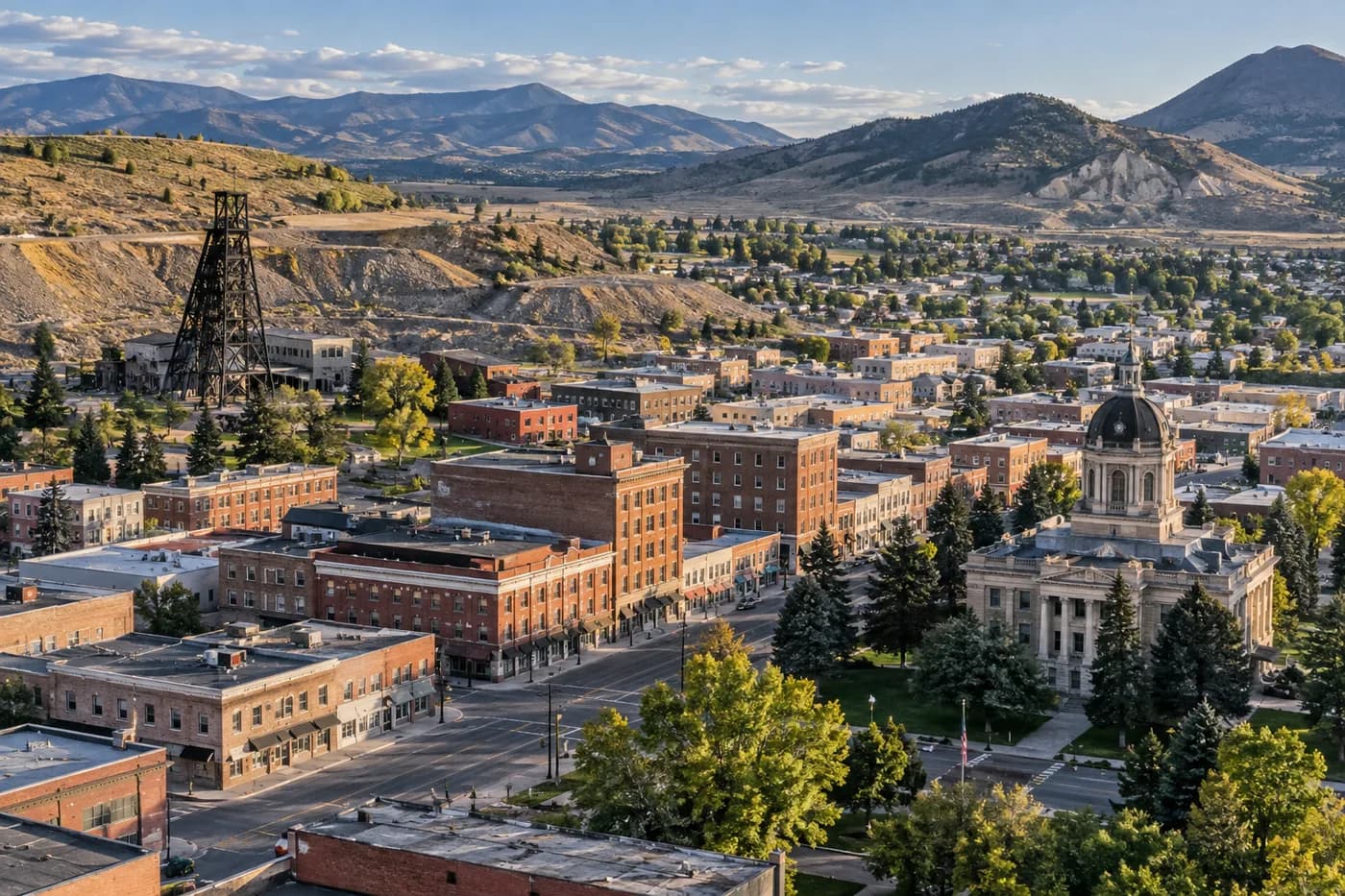
Semi-Arid Continental · rural setting
Read the local guide →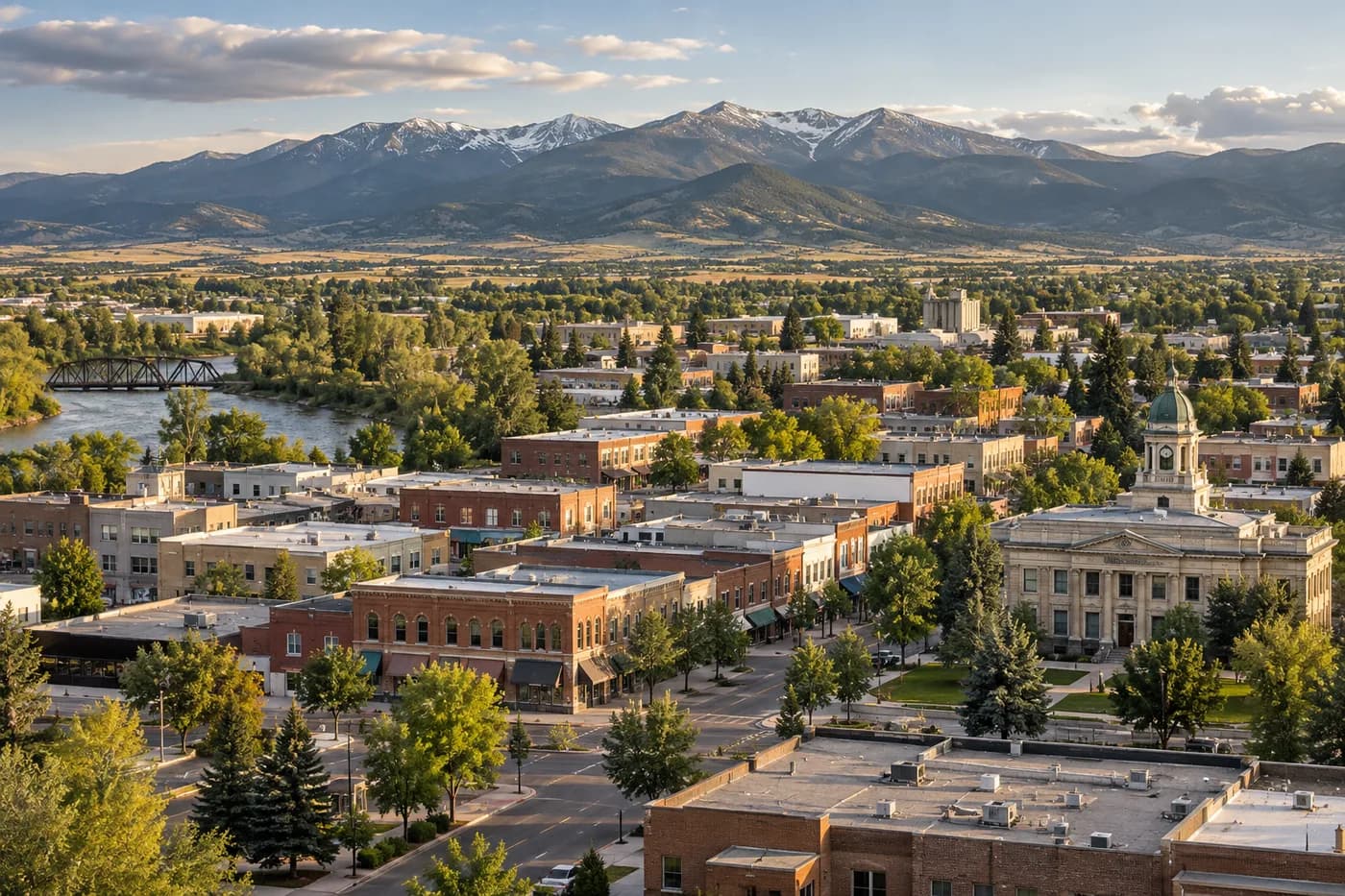
Semi-Arid Continental · rural setting
Read the local guide →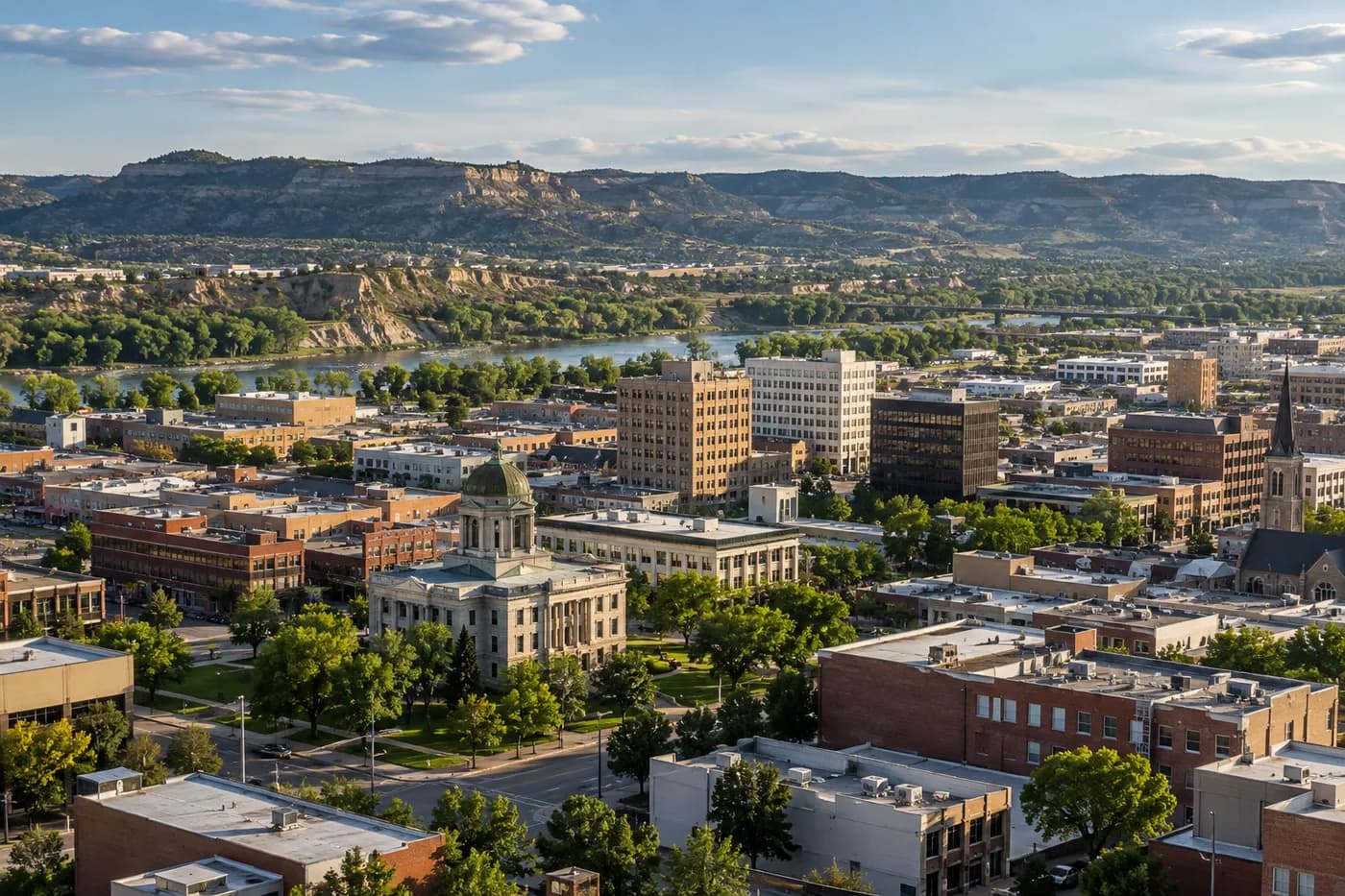
Semi-Arid Continental · urban setting
Read the local guide →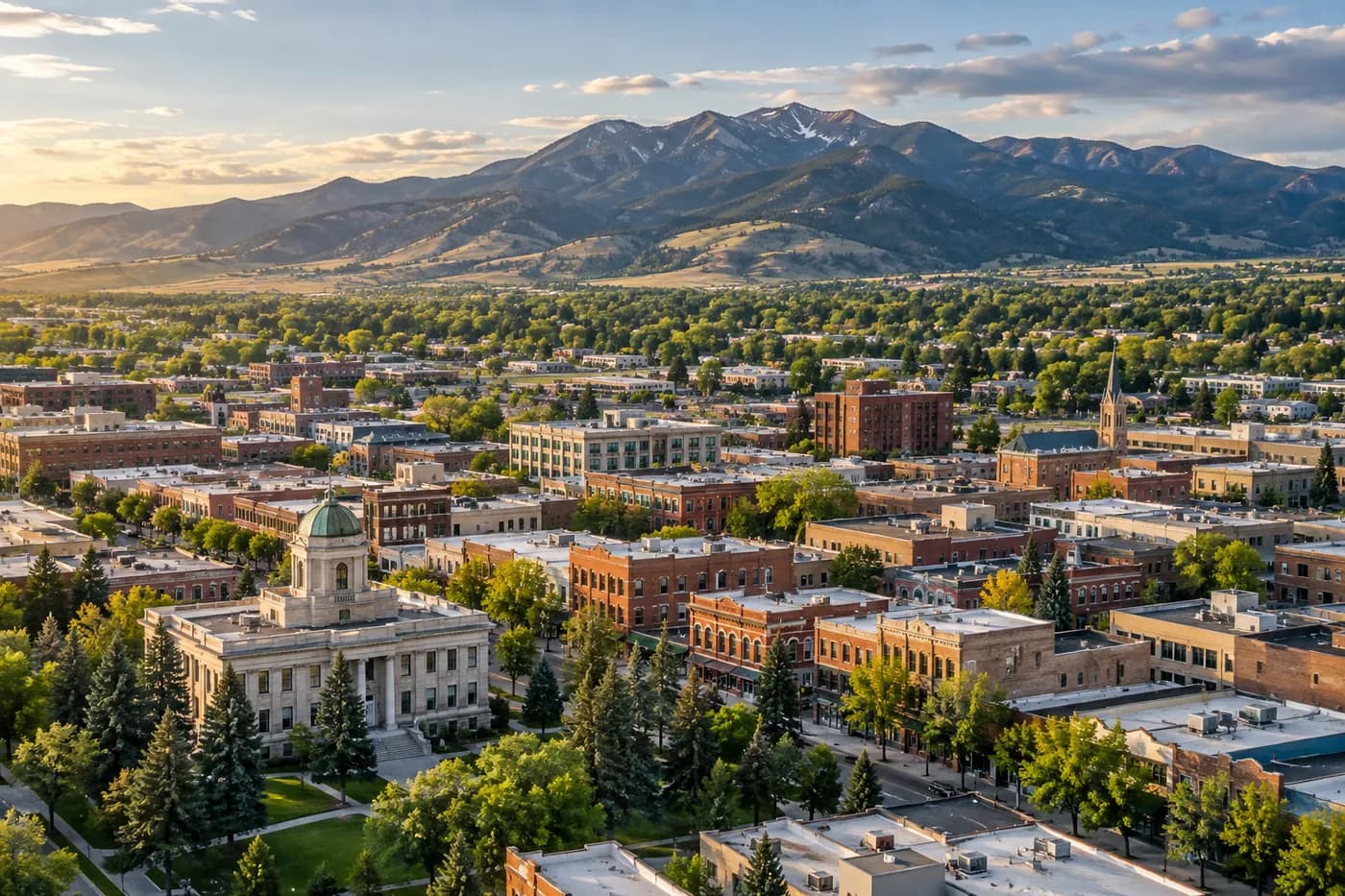
Warm Summer Continental · suburban setting
Read the local guide →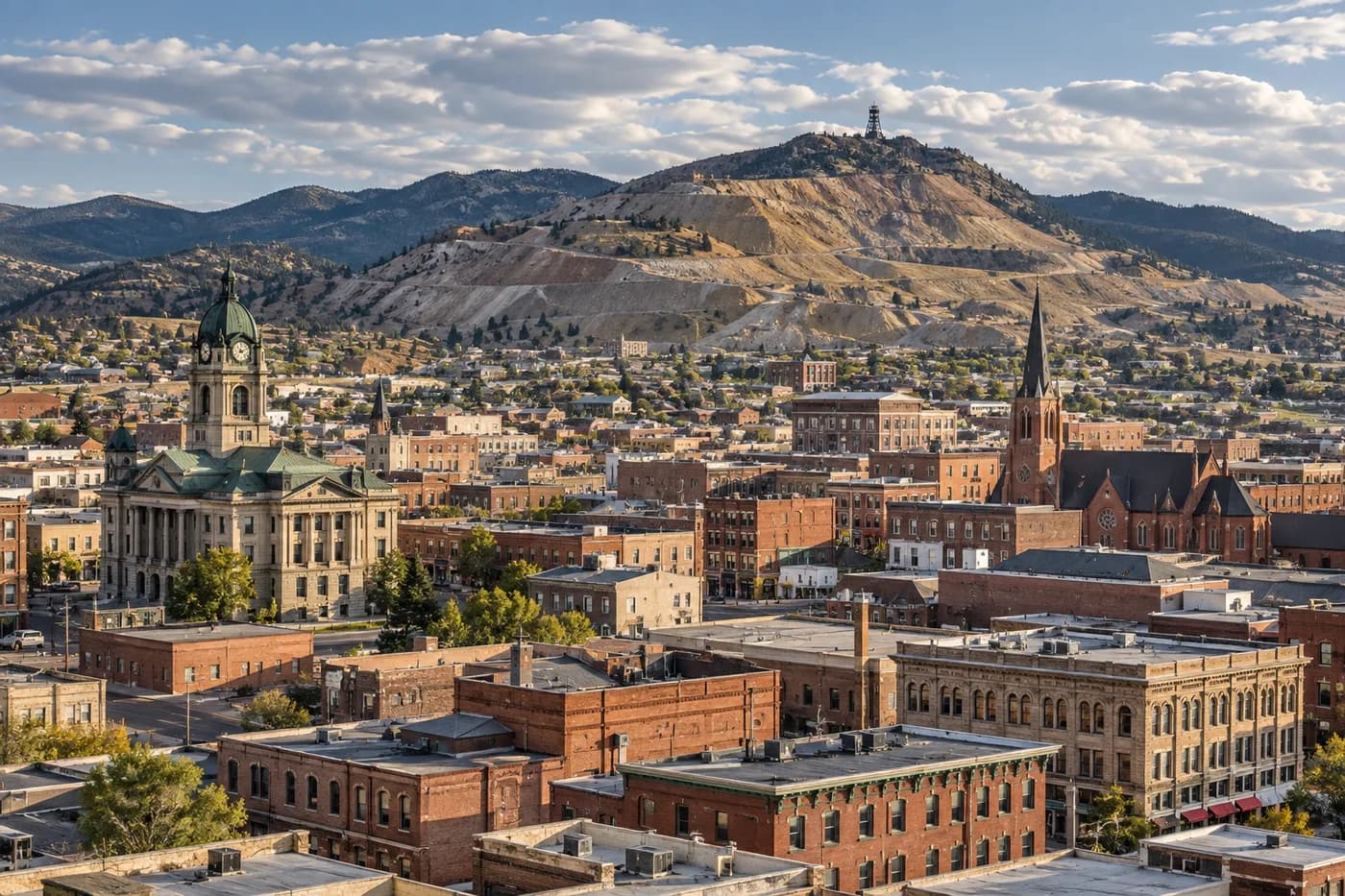
Semi-Arid Continental · suburban setting
Read the local guide →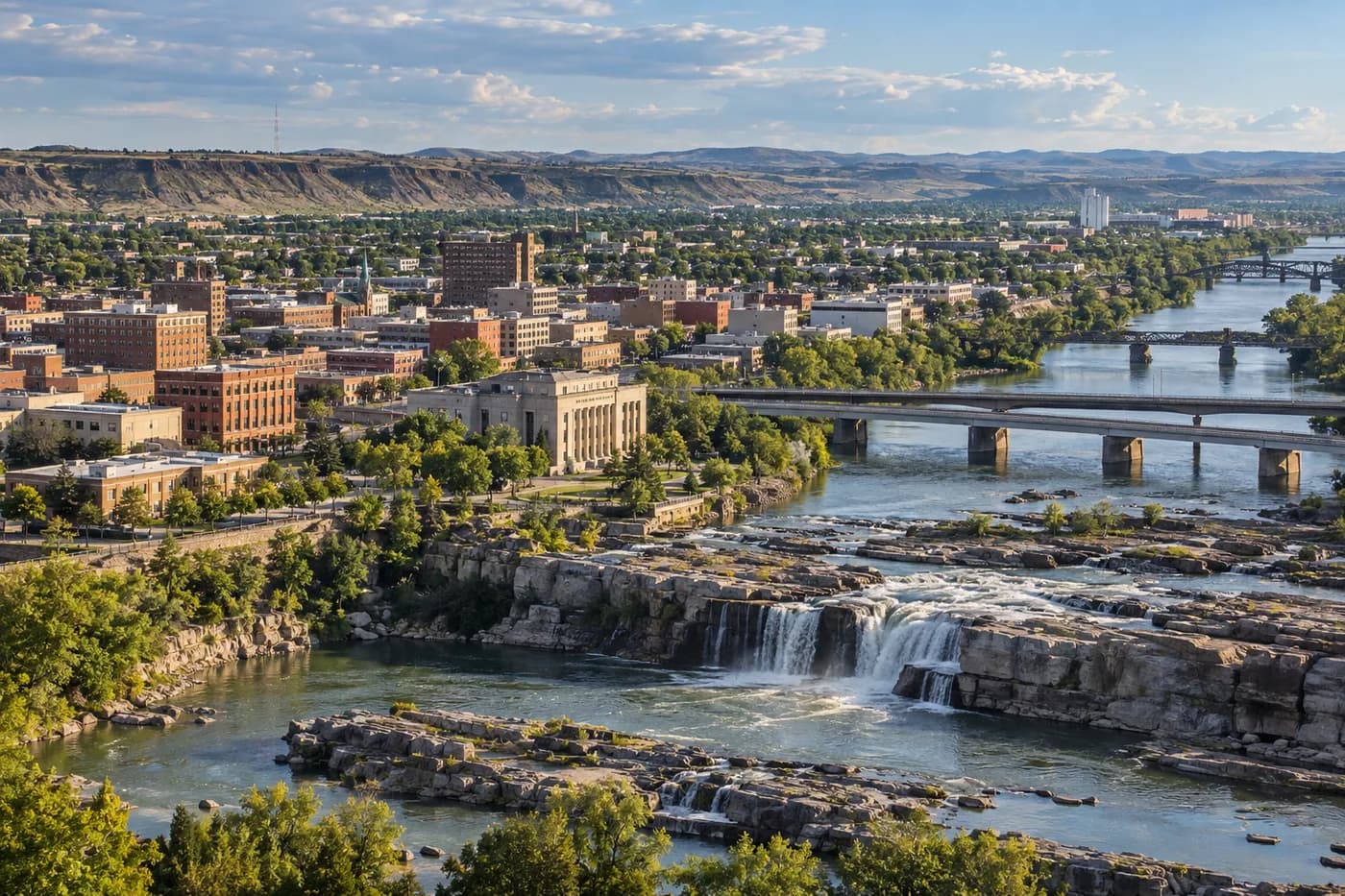
Semi-Arid Continental · suburban setting
Read the local guide →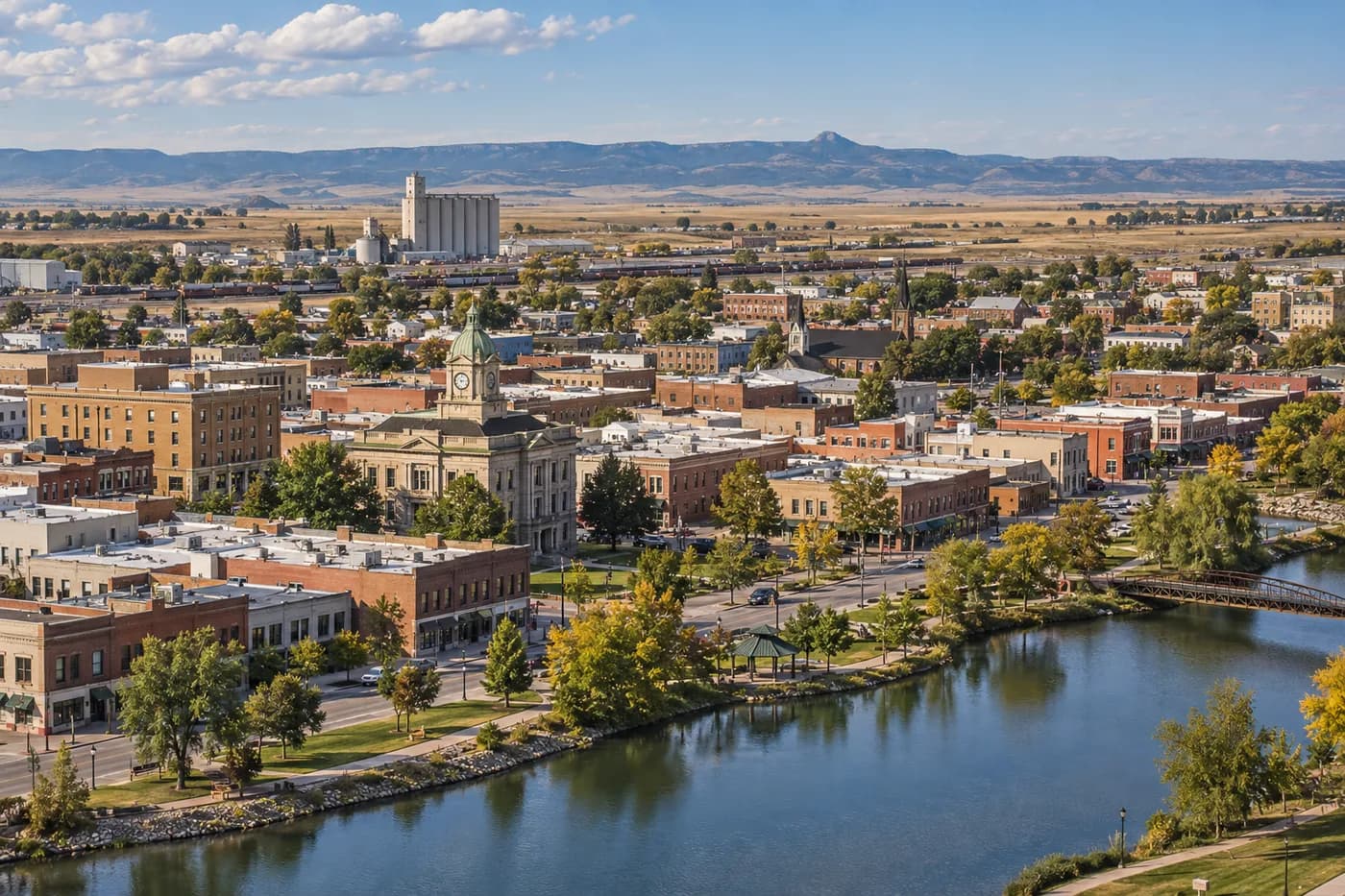
Semi-Arid Continental · rural setting
Read the local guide →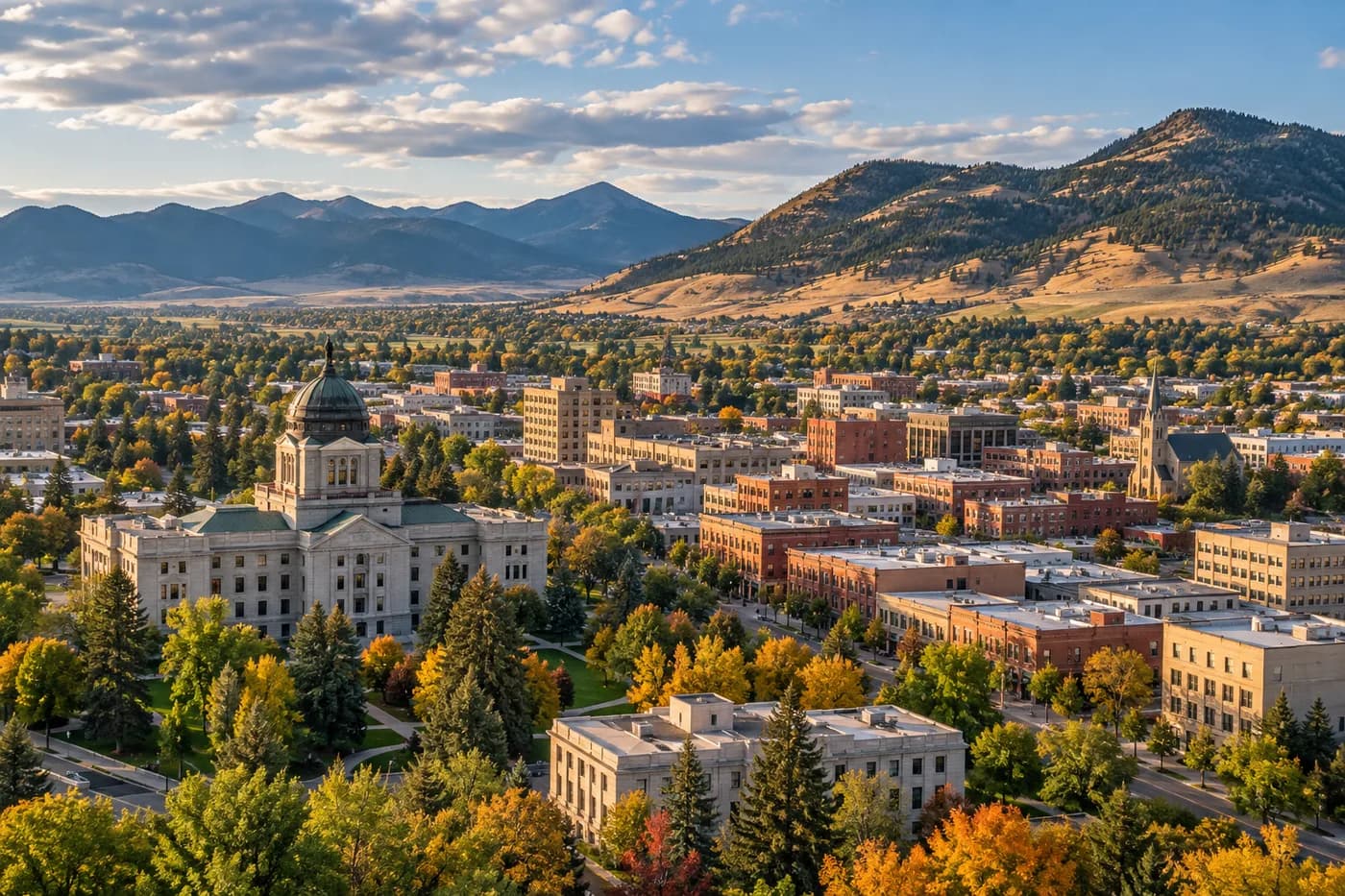
Semi-Arid Continental · suburban setting
Read the local guide →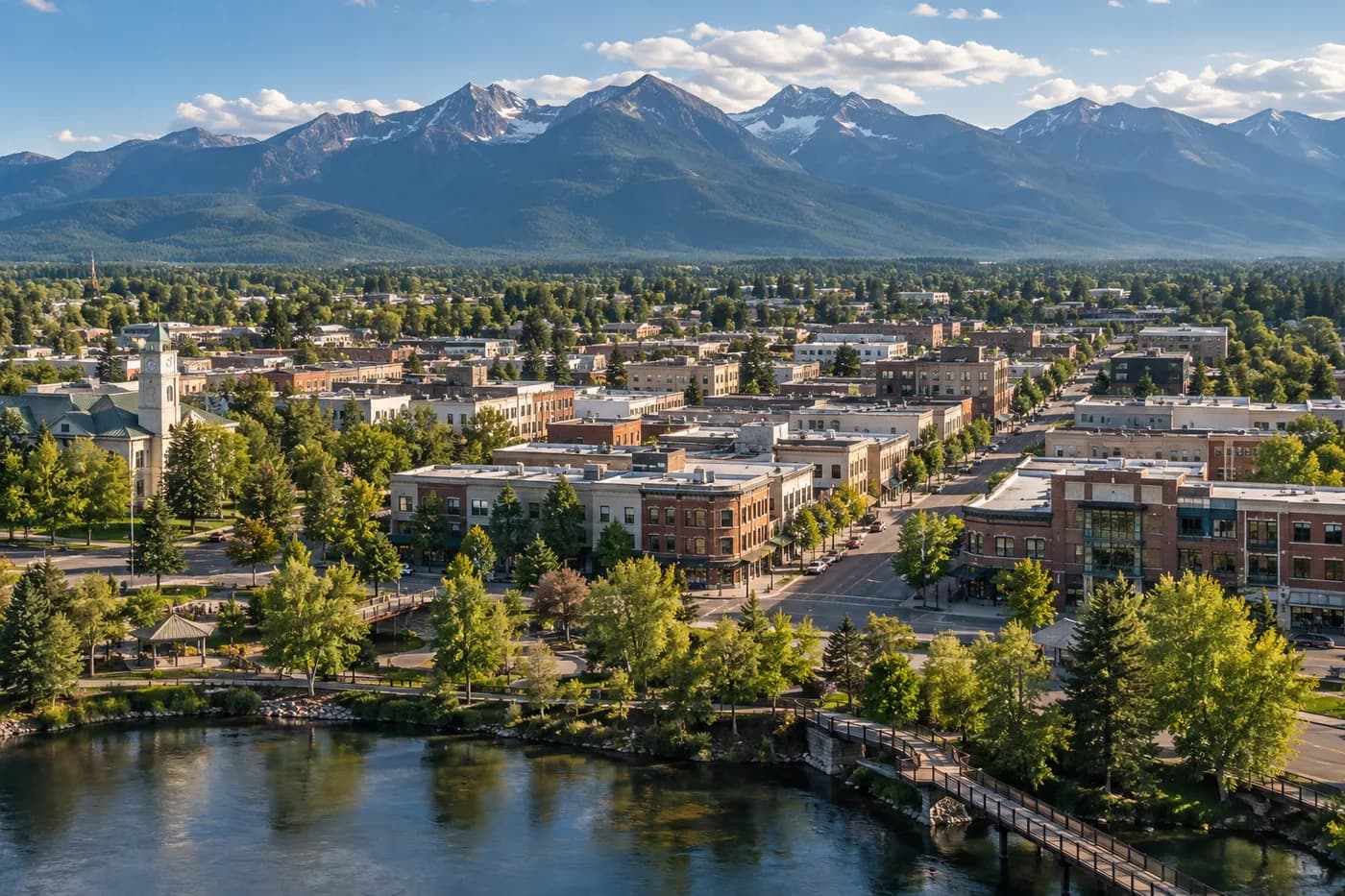
Warm Summer Continental · suburban setting
Read the local guide →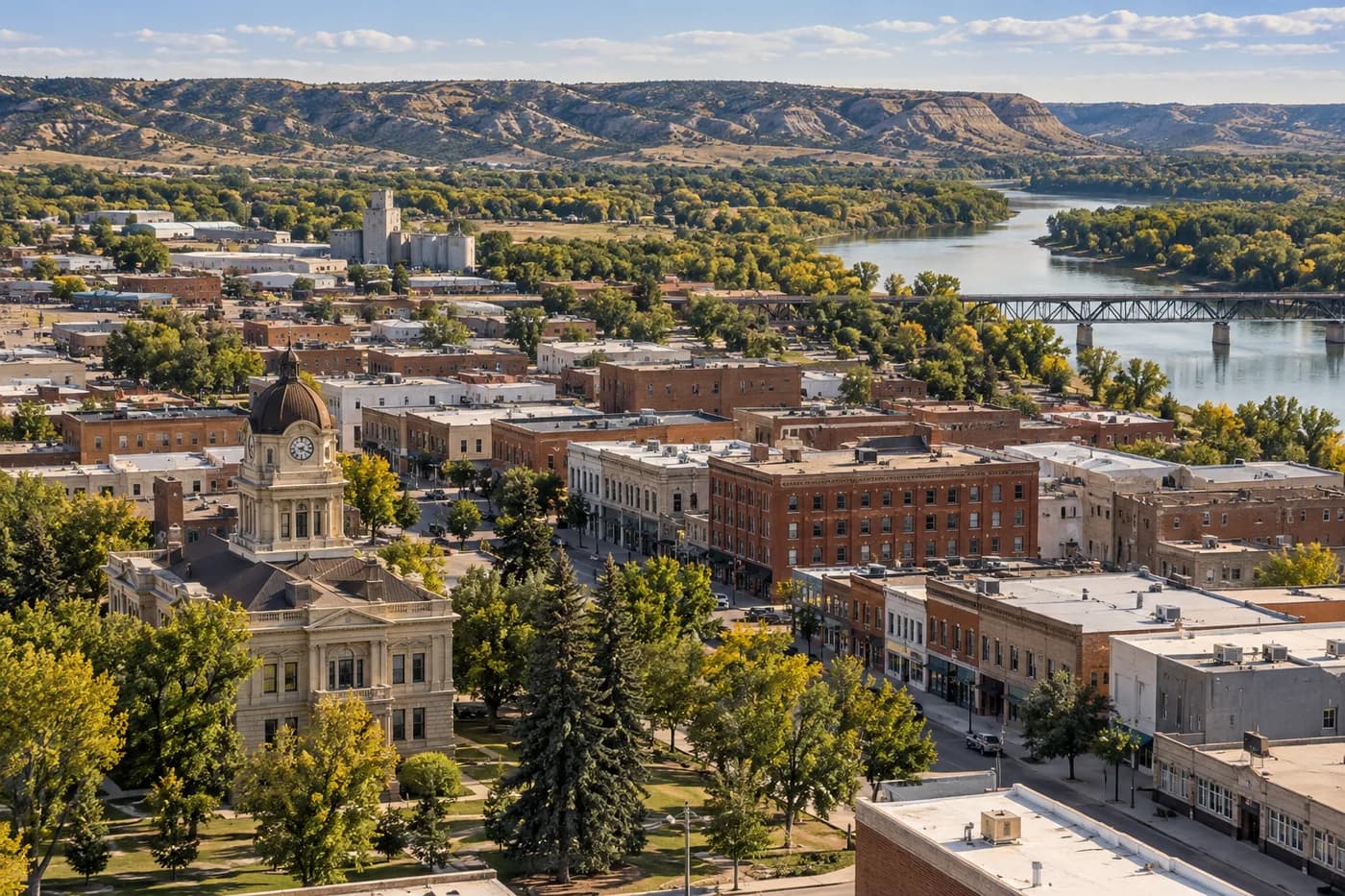
Semi-Arid Continental · rural setting
Read the local guide →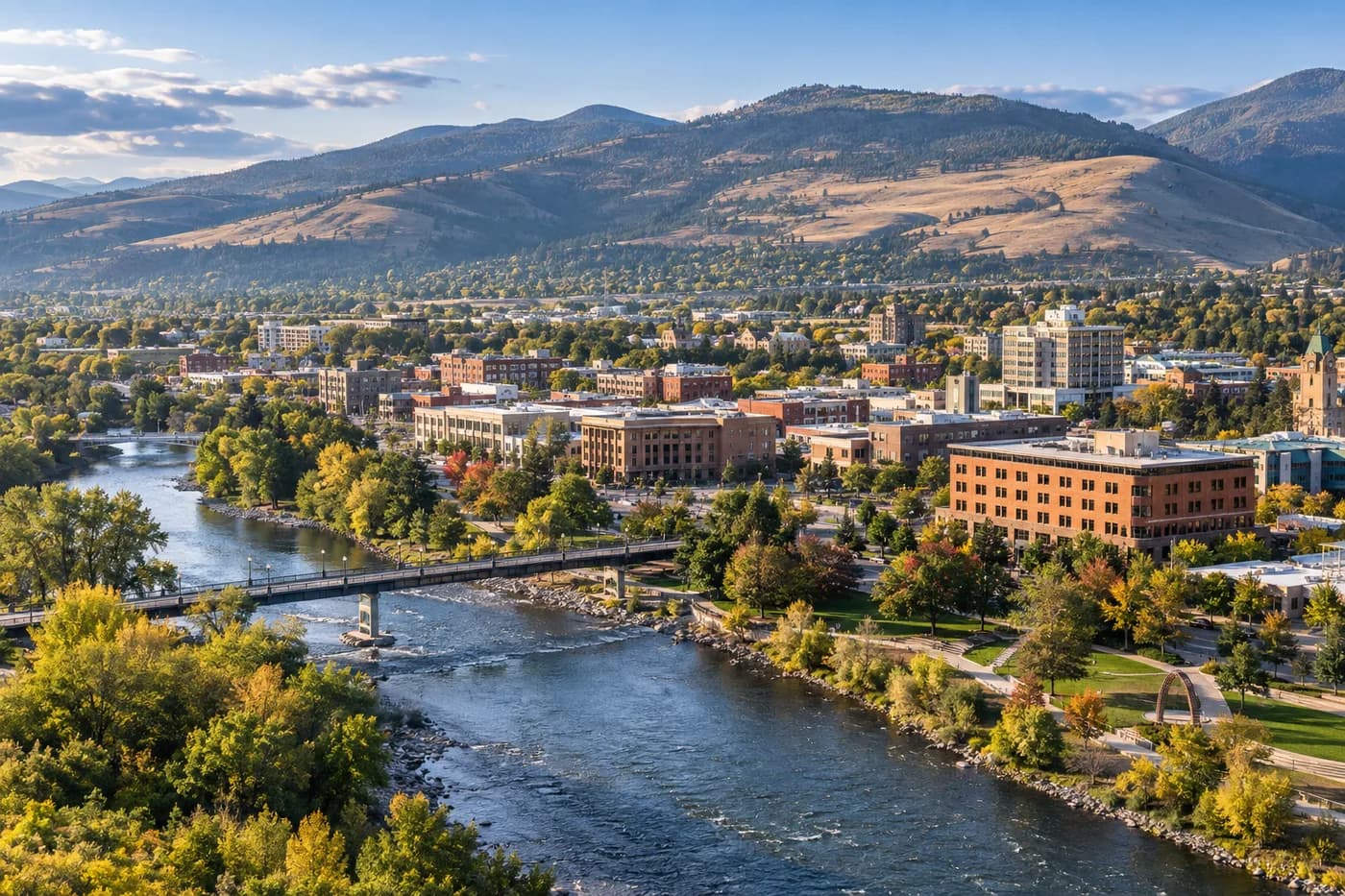
Warm Summer Continental · urban setting
Read the local guide →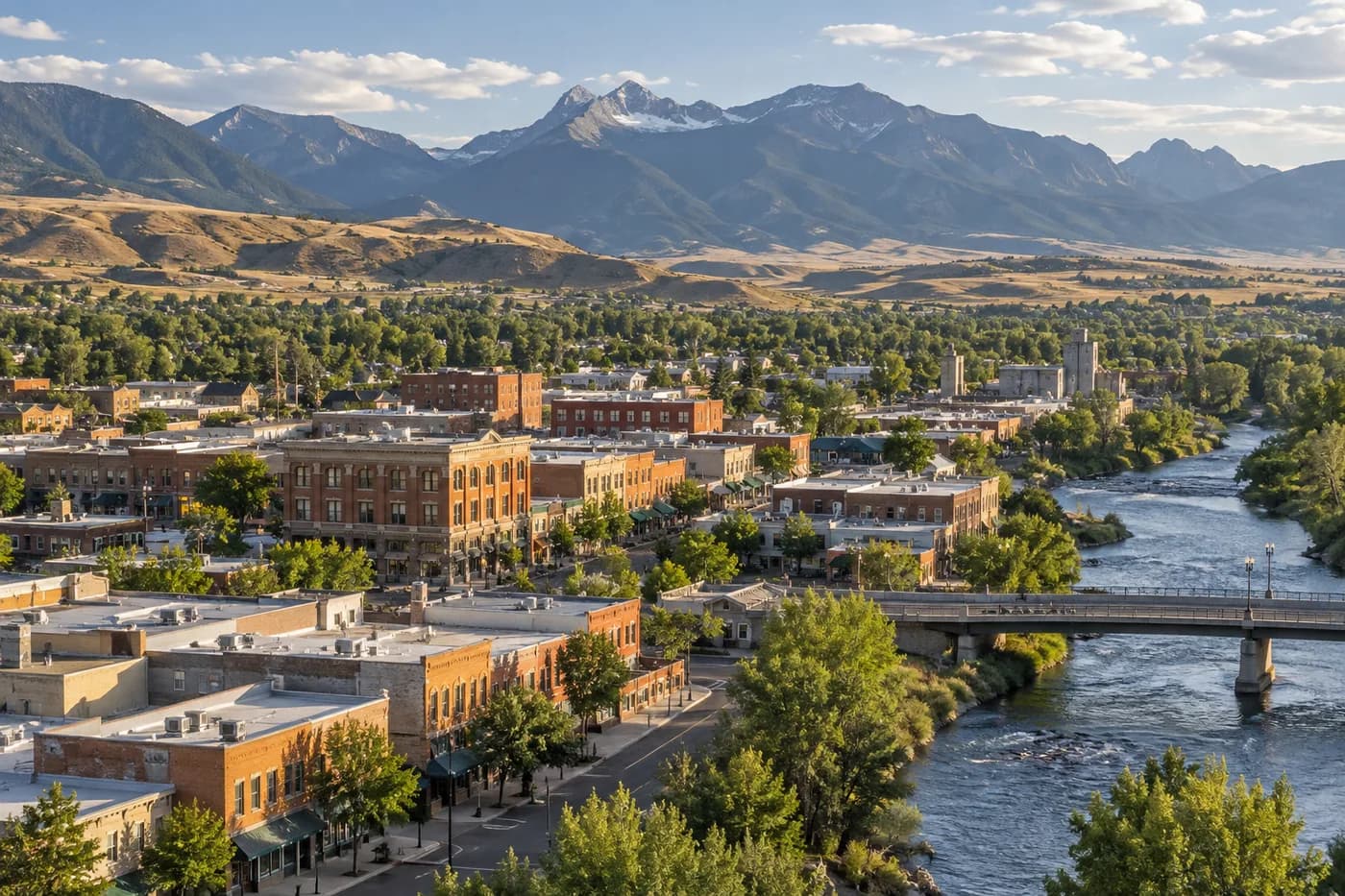
Warm Summer Continental · rural setting
Read the local guide →