Around New Mexico
Conditions vary across the state. Choose your city below, then describe what’s happening around your home or business.
Local snake information
Learn what to look for around your property, explore your city, and ask about an inspection or a quote.
Conditions vary across the state. Choose your city below, then describe what’s happening around your home or business.
Where you see snakes, how long it has been going on, and anything you’ve already tried are the most useful details to mention.
Ask about an inspection, what treatment would involve, and whether follow-up visits are included. You don’t need to identify the problem yourself before getting in touch.
Before you compare quotes, it helps to know which snakes actually live in New Mexico, when they are busiest, and what the state figures look like. Everything below links to the agency or university page it came from.
Rattlesnakes are by far the most commonly encountered venomous snakes in the state.
New Mexico State University Cooperative Extension ServiceIt occupies flat plains and rocky canyons from grassland desert up into pine-oak forest, and is the largest rattlesnake in New Mexico.
New Mexico State University Cooperative Extension ServiceMost of New Mexico, including Albuquerque and Santa Fe, is outside the coral snake's range.
New Mexico State University Cooperative Extension ServiceNew Mexico snakes emerge from hibernation and mate soon after temperatures rise in spring, then shift to shade during the hottest part of the day and bask in open areas on cool days, becoming inactive in extreme heat and cold.
Extension guidance is that no fumigants or poisons are registered for snake control and that habitat modification and exclusion are the only effective measures.
Sources: New Mexico State University Cooperative Extension Service; CDC/NIOSH; Pest Notes: Rattlesnakes. Figures are quoted as the source prints them. How we check our sources
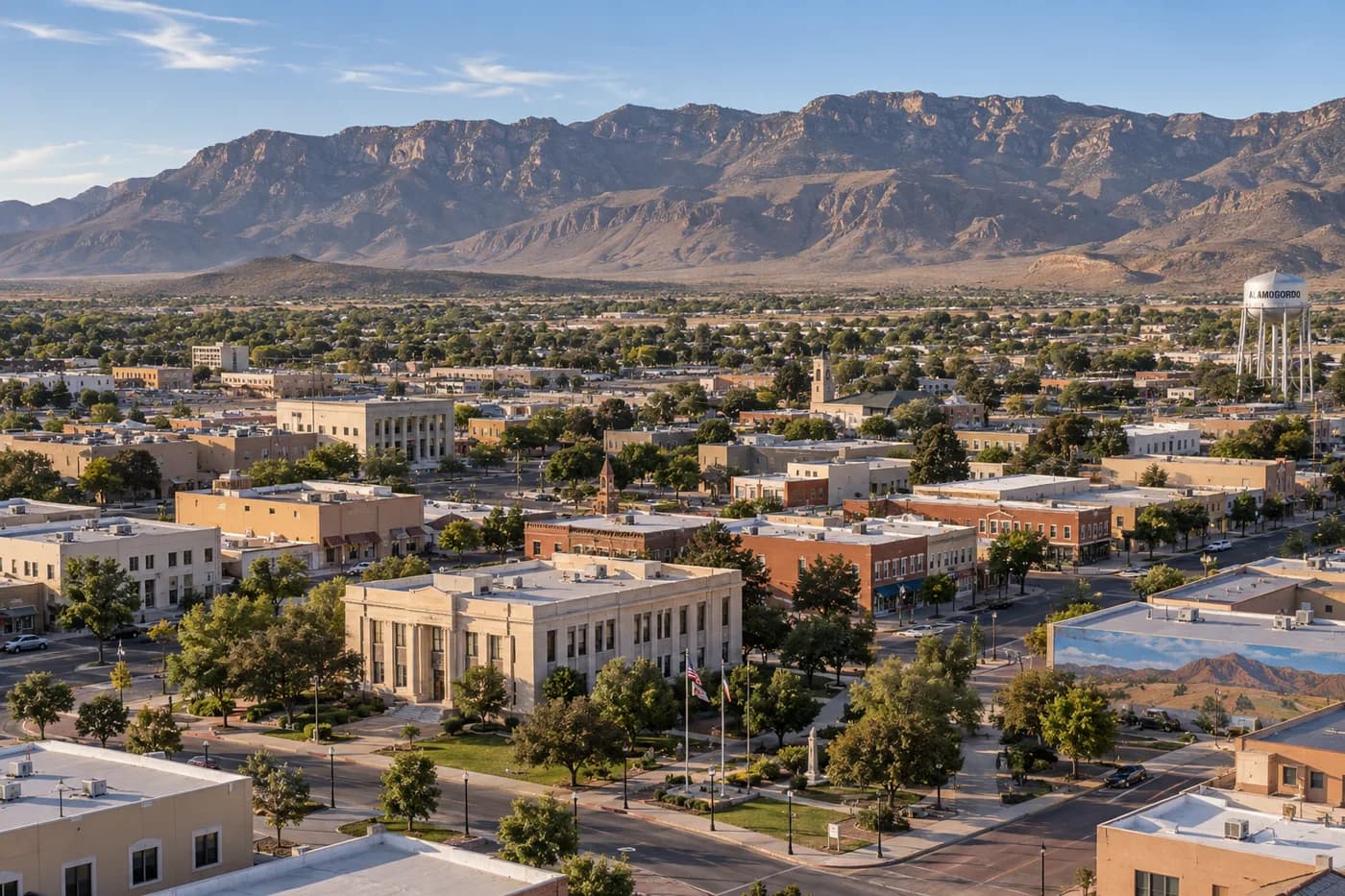
Semi-Arid · rural setting
Read the local guide →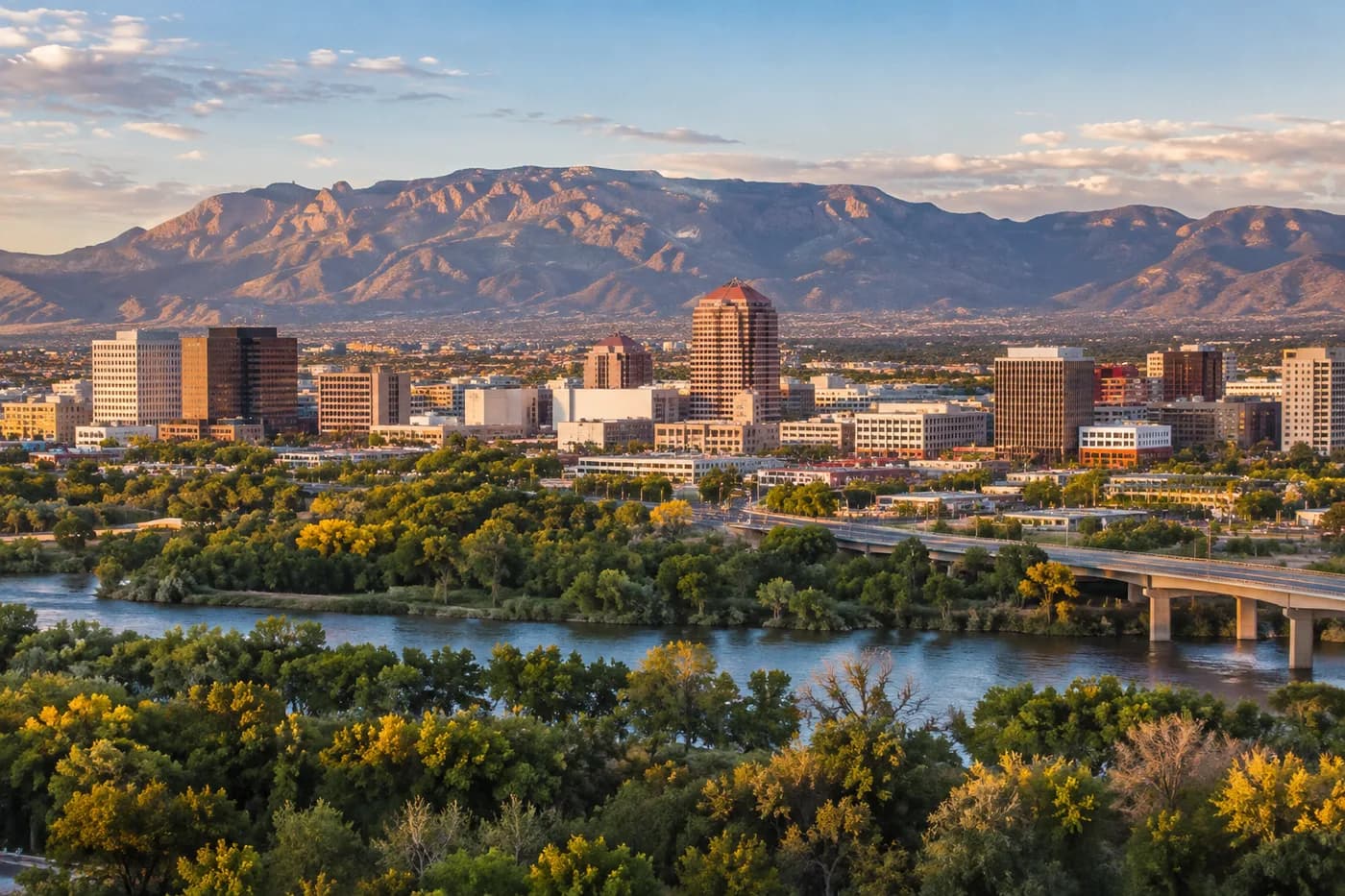
Semi-Arid · urban setting
Read the local guide →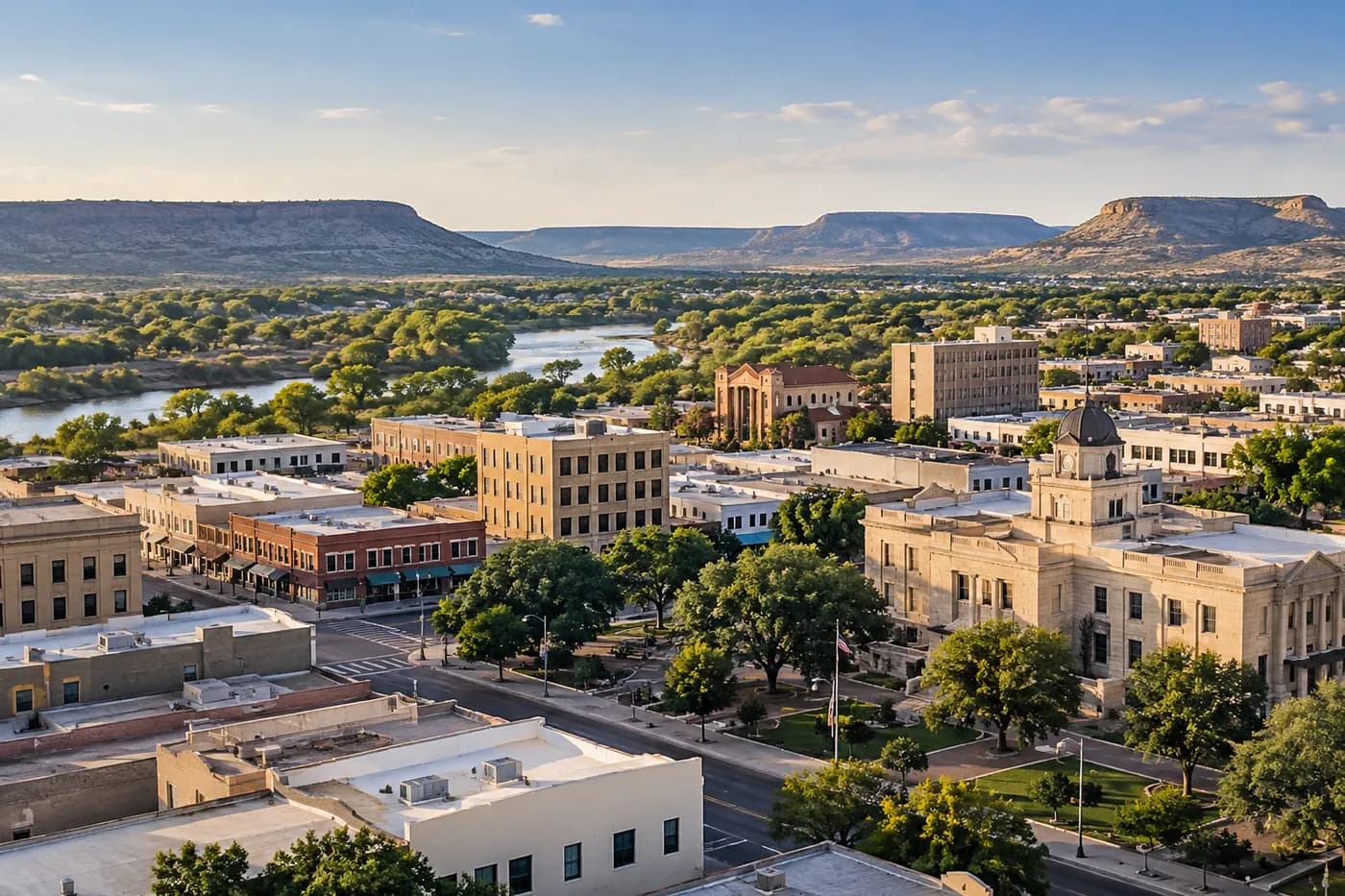
Semi-Arid · rural setting
Read the local guide →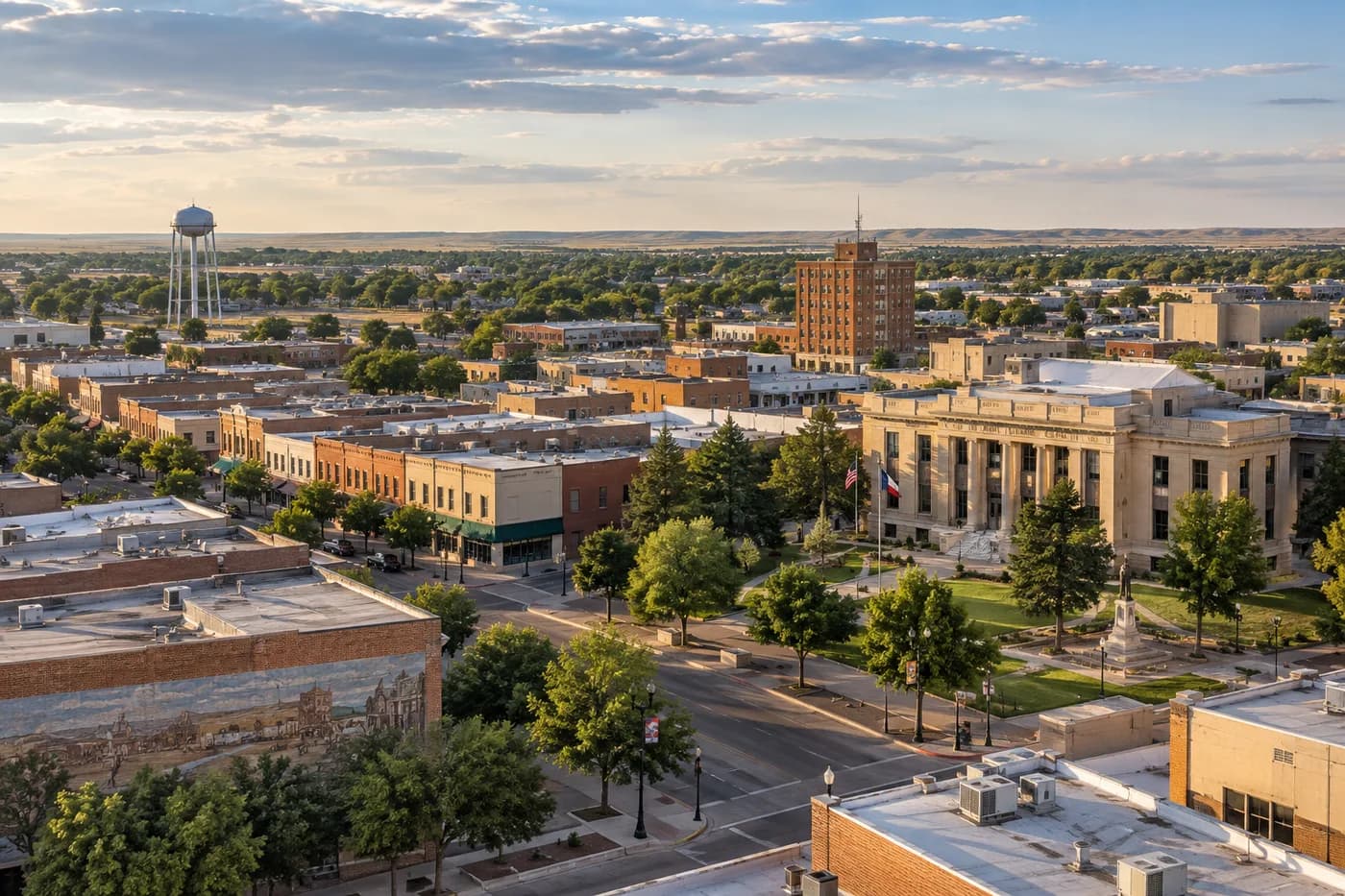
Semi-Arid · rural setting
Read the local guide →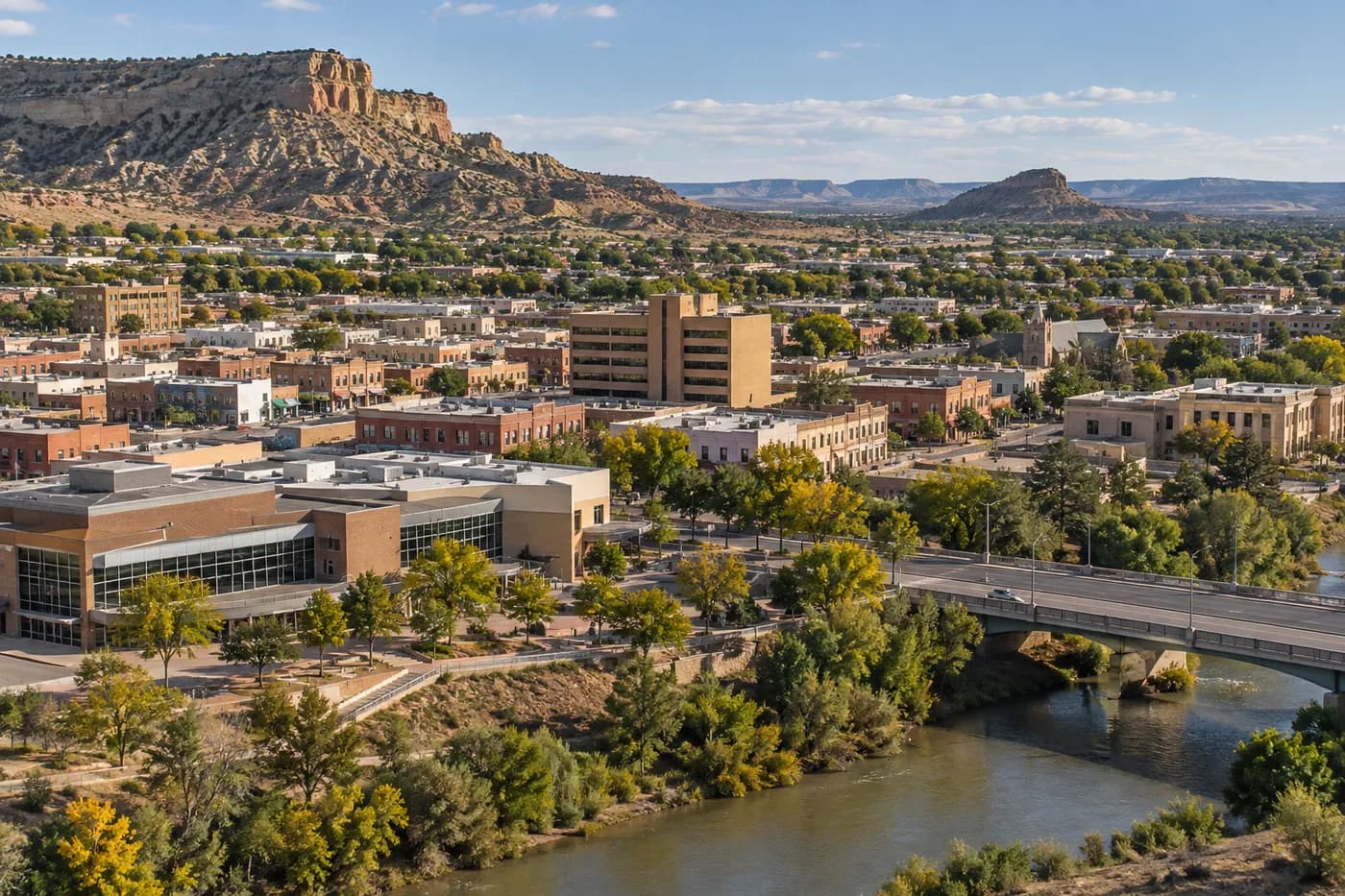
Semi-Arid · suburban setting
Read the local guide →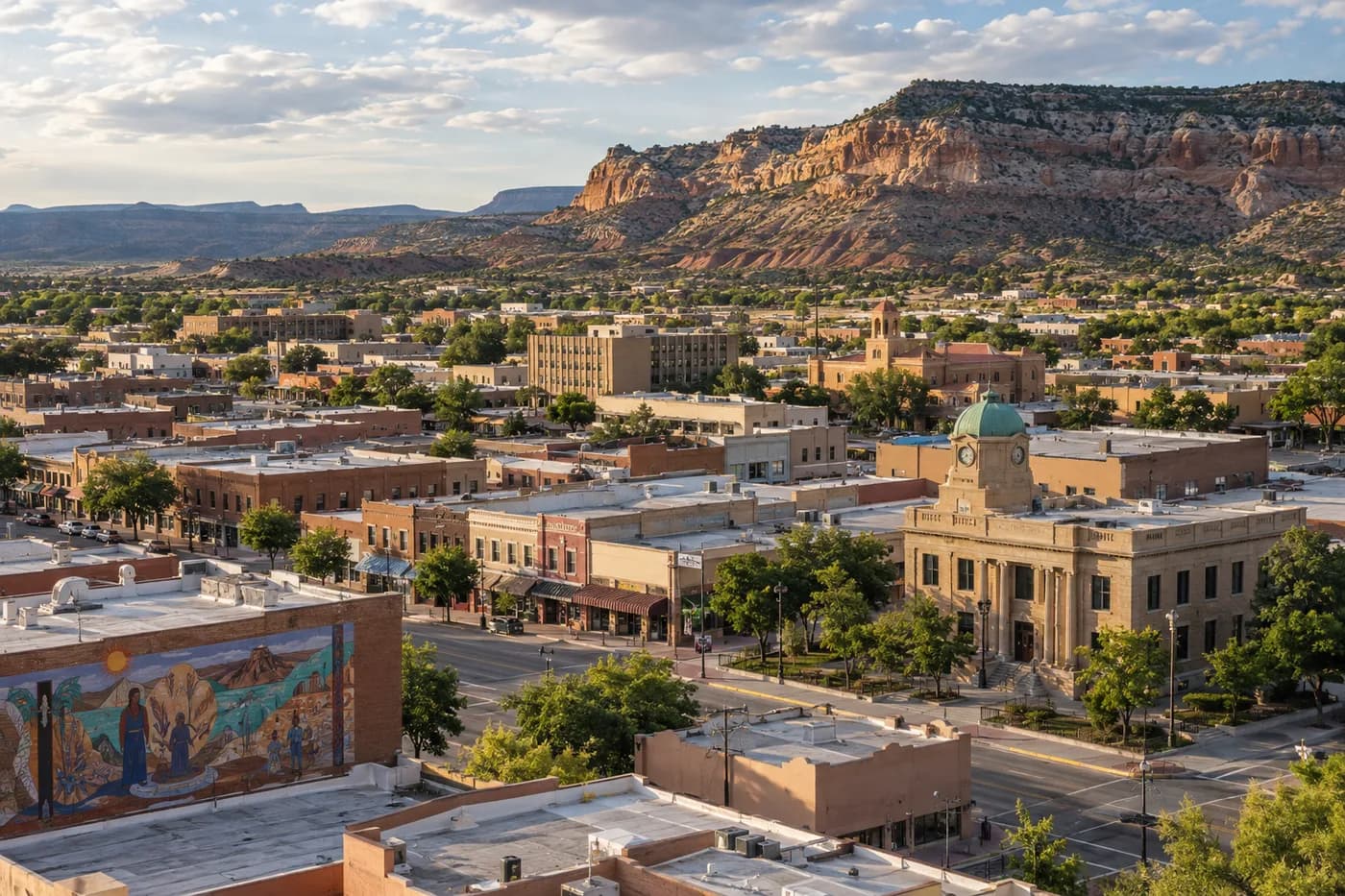
Semi-Arid · rural setting
Read the local guide →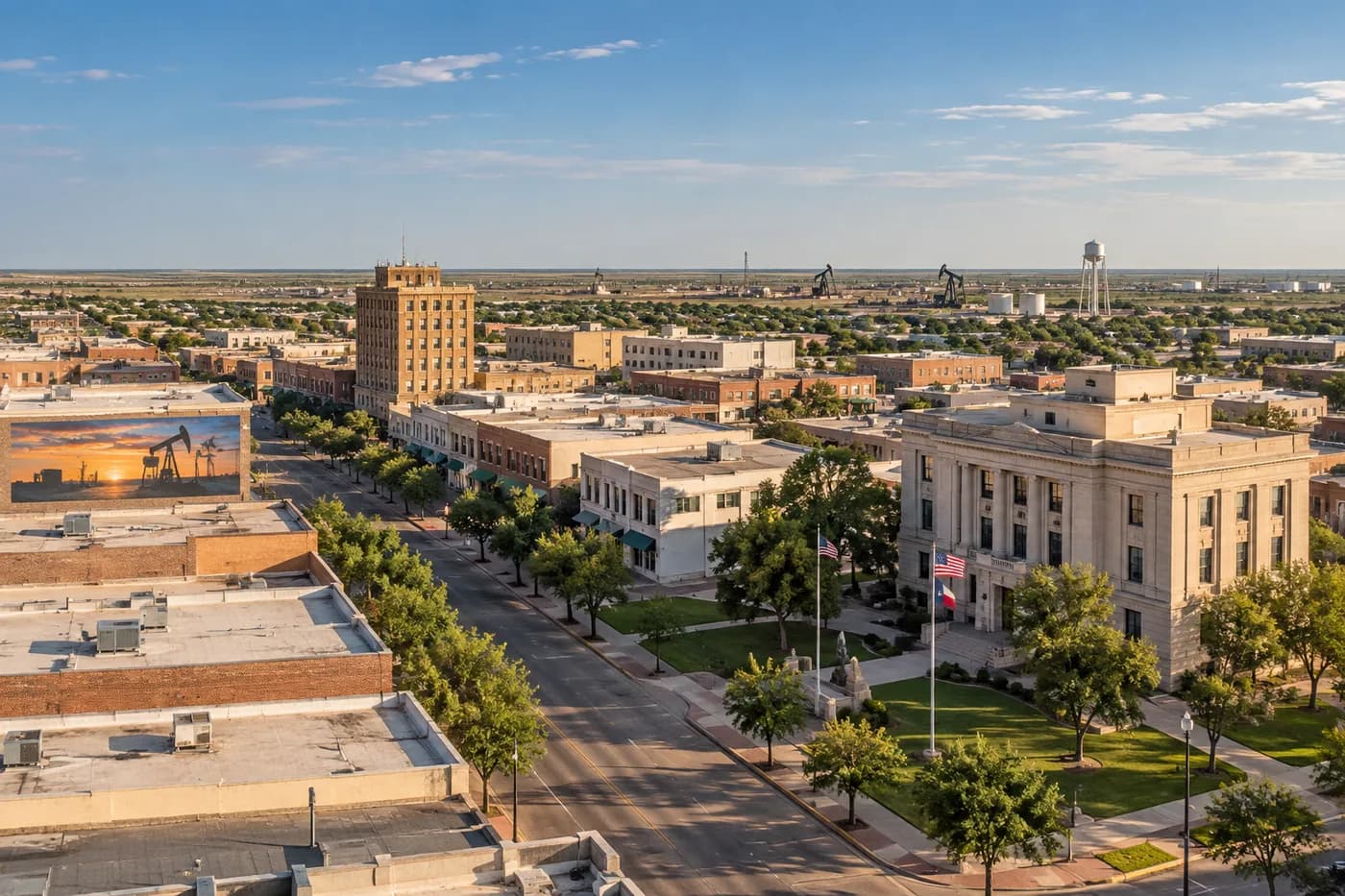
Semi-Arid · suburban setting
Read the local guide →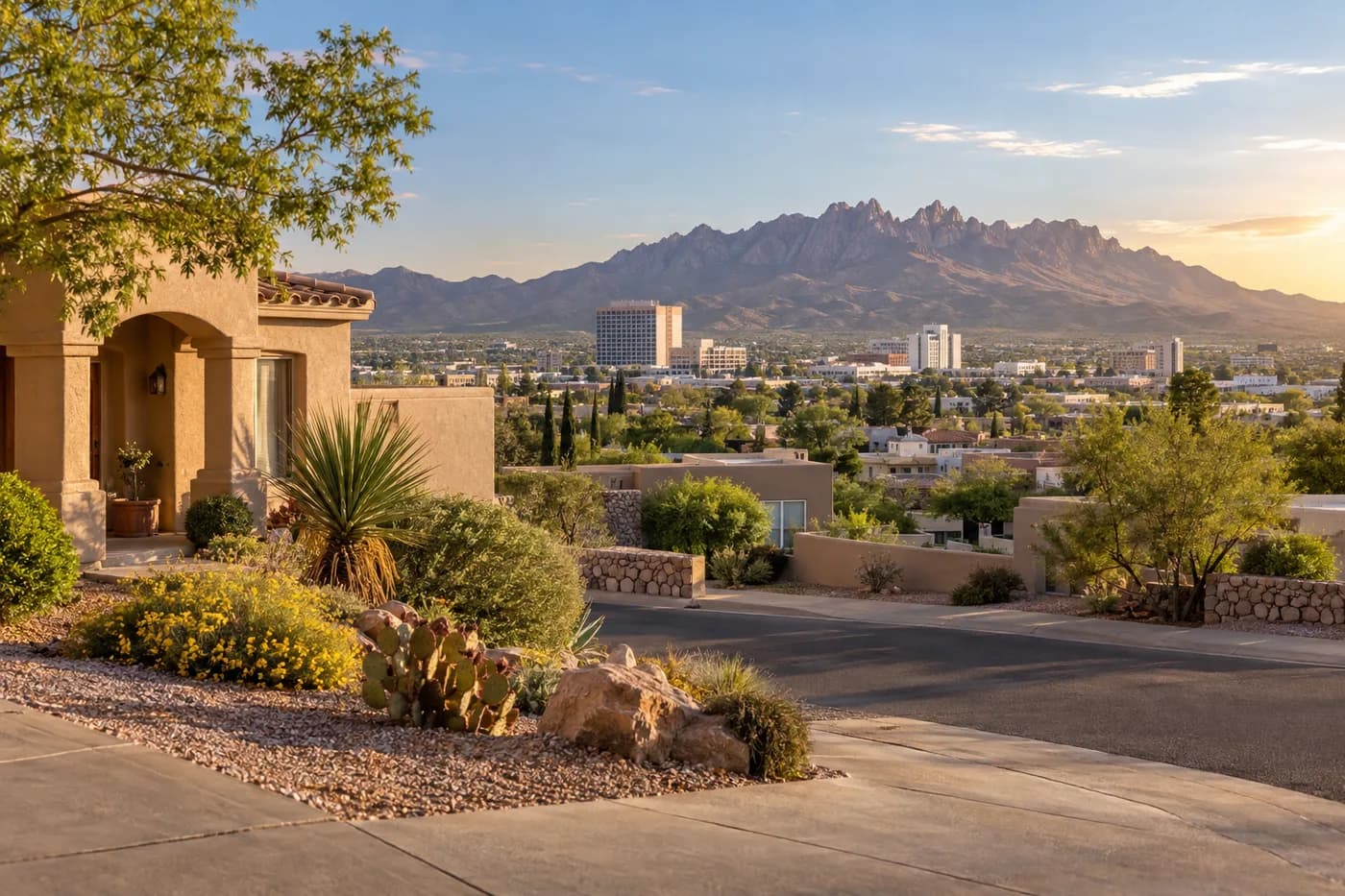
Semi-Arid · urban setting
Read the local guide →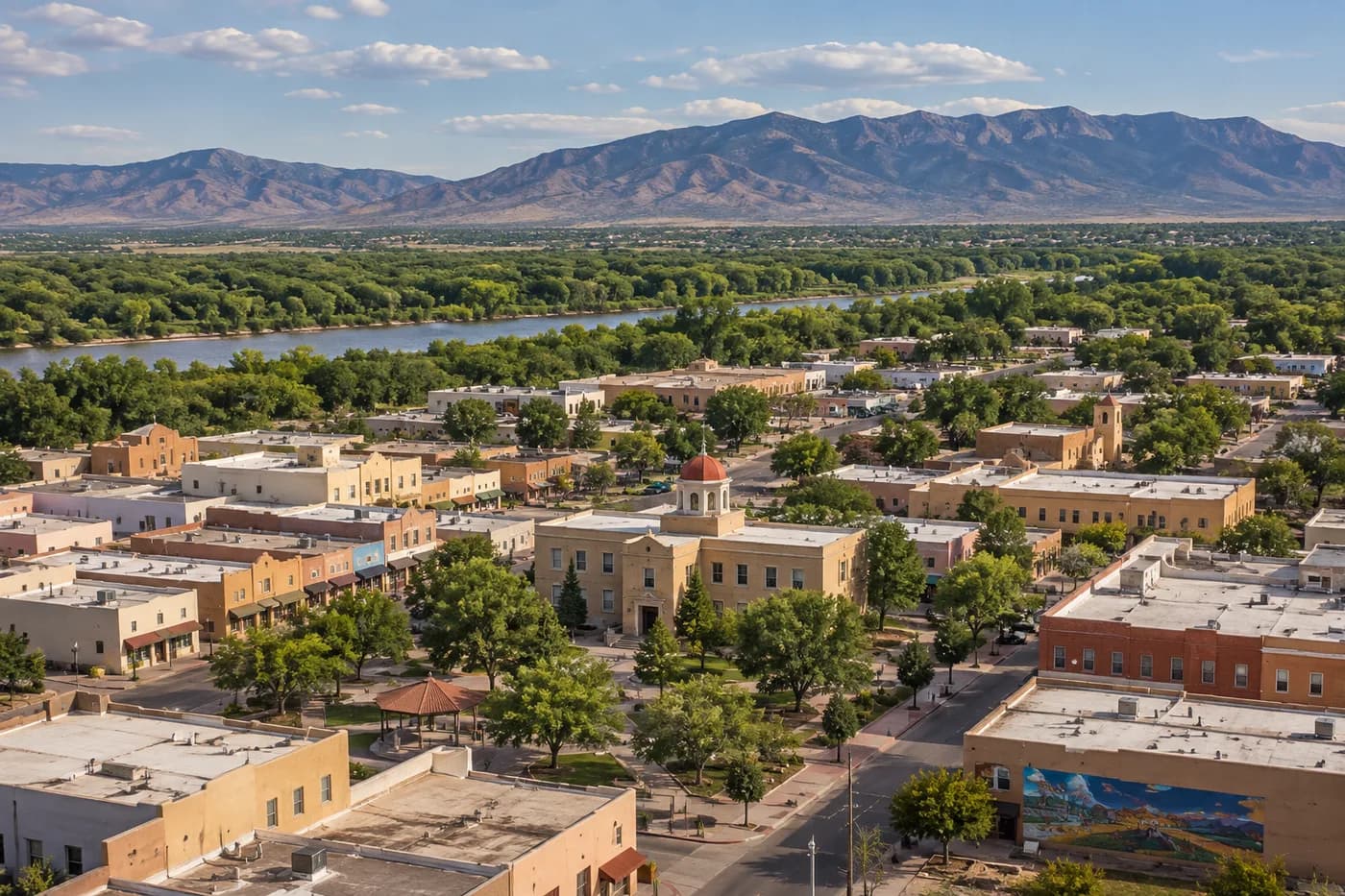
Semi-Arid · rural setting
Read the local guide →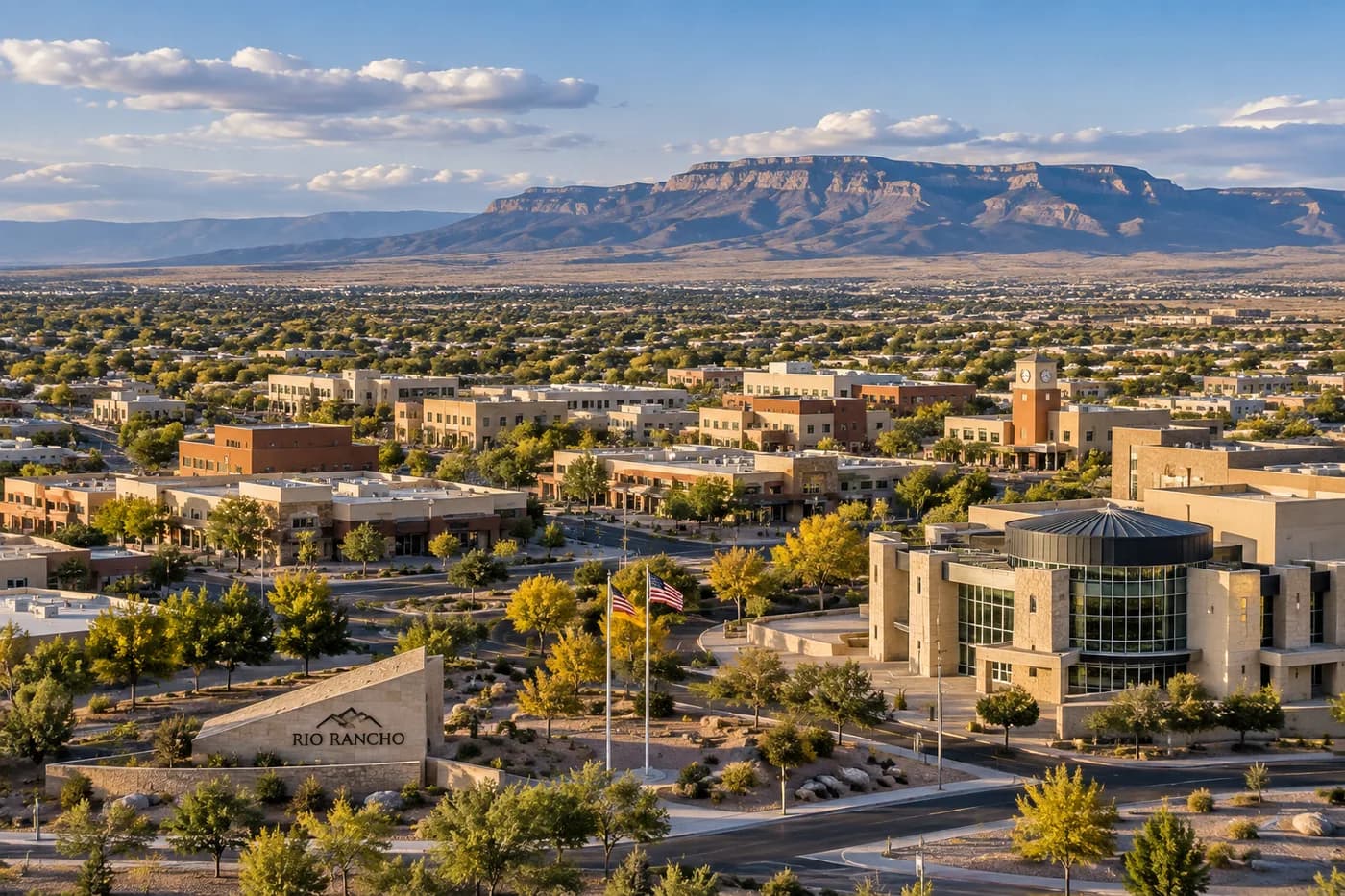
Semi-Arid · suburban setting
Read the local guide →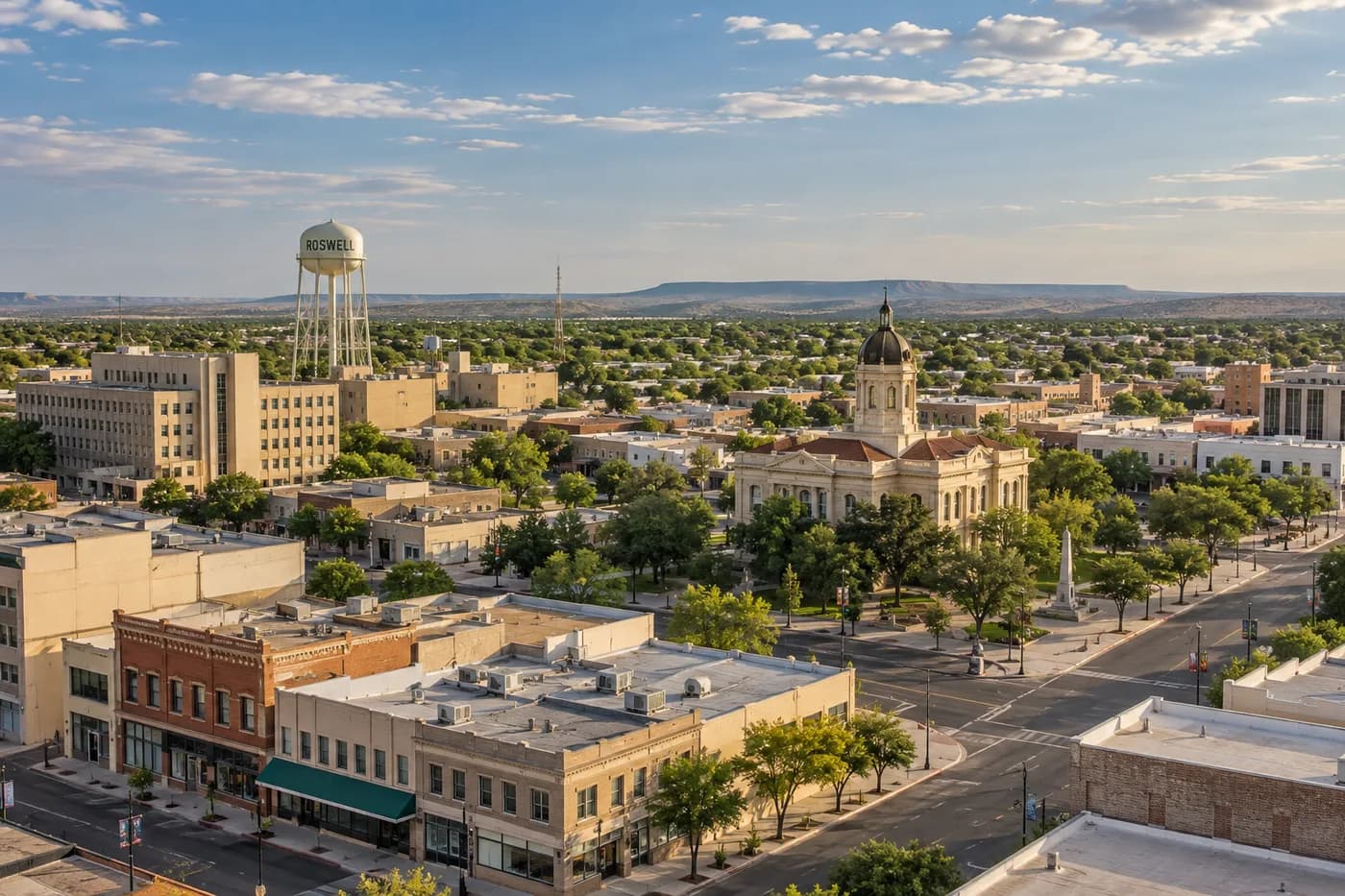
Semi-Arid · suburban setting
Read the local guide →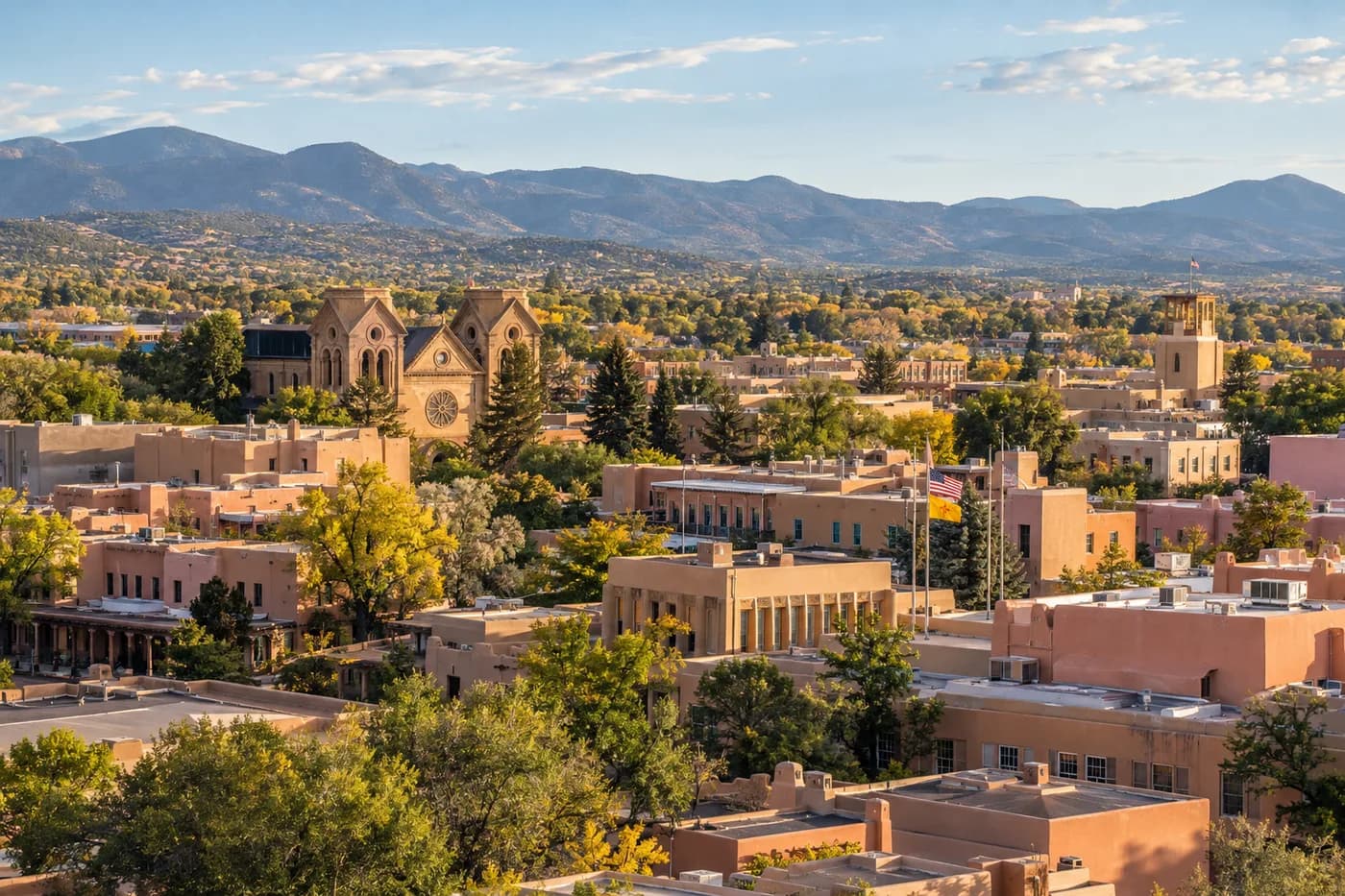
Semi-Arid · urban setting
Read the local guide →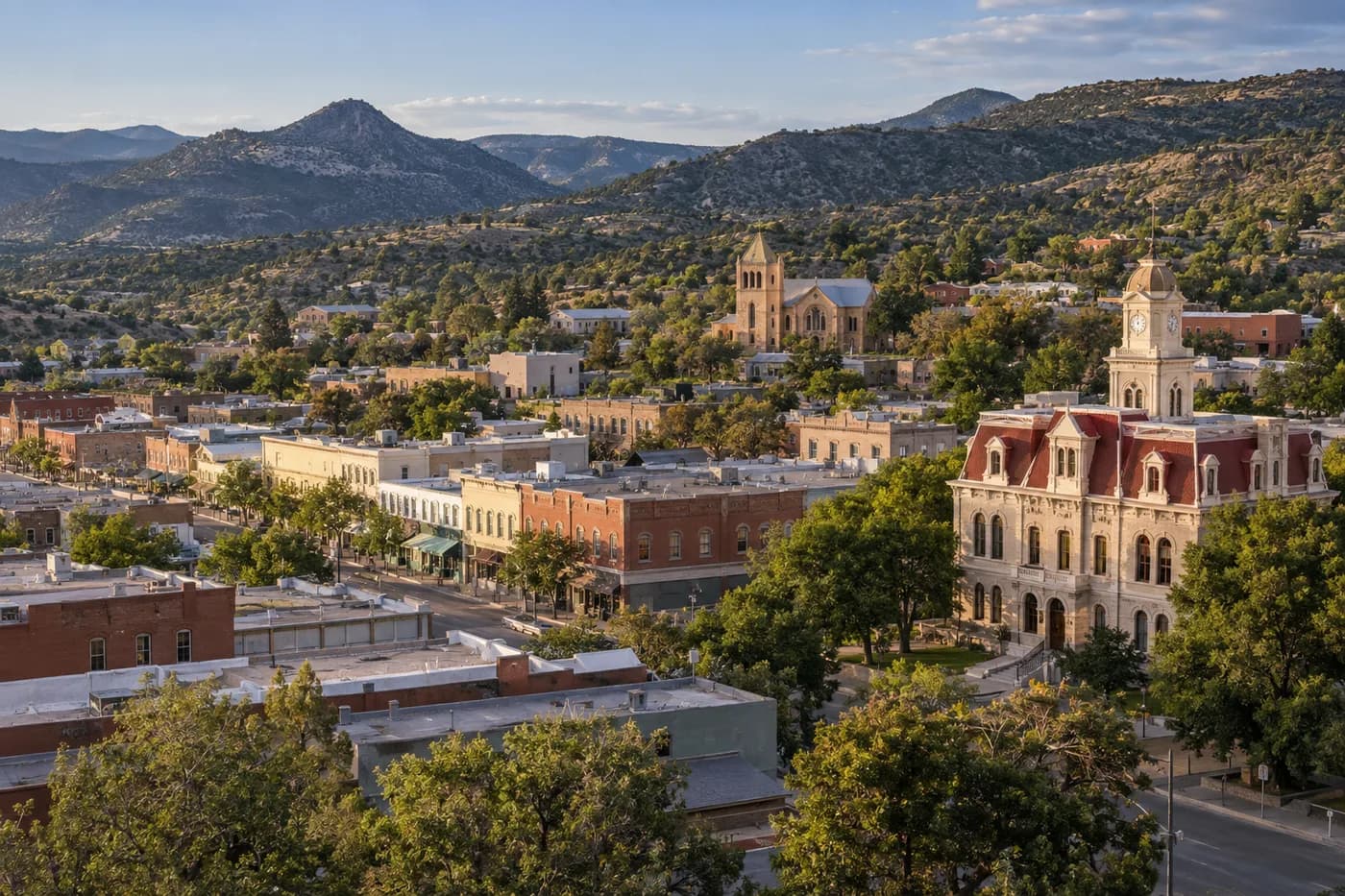
Semi-Arid · rural setting
Read the local guide →