The short version
Do the prevention yourself — mow, clear cover, seal gaps, control rodents. Leave removal to a professional for anything you can't confidently identify, anything venomous, or anything inside. A dead rattlesnake can still bite by reflex.
- Prevention is DIY; removal is not.
- Move a harmless snake only if you're certain, in an open area.
- A dead rattlesnake can still bite by reflex.
- A professional finds the gap and the rodents, not just the snake.
For homeowners deciding what to do themselves and what to hire out.
What to look for
Most snake accidents happen at the moment someone decides to "just handle it." A garter snake in the open yard is one thing; anything you can't identify, anything with a rattle or a triangular head, and anything inside a wall is another. Knowing the line keeps you safe and saves money.
- 1A snake you've seen more than once in the same spot.
- 2Shed skins in the garage, crawl space, or garden — usually longer than the snake itself.
- 3Slither tracks: S-shaped drag marks in dust, sand, or loose soil.
- 4Mice, rats, or frogs around the house — the food snakes follow.
- 5Rustling under floors or in walls, or disturbed insulation in the attic.
- 6A musky smell in an enclosed space like a crawl space or shed.
Why it’s worth acting soon
- If it's venomous, every extra day is another chance for a bite — and most bites happen when someone tries to move or kill the snake.
- A snake that found its way in can find it again; the gap stays open until you close it.
- One snake in spring can become a litter in summer — several common species give birth to live young.
- The food and cover that drew the first snake keep drawing the next one.
7,000–8,000, about 5 deathsVenomous snakebites per year in the U.S.NIOSH About 1,000Rattlesnake bites reported per yearUC IPM $300Typical snake relocation (publisher estimate, Jan 2025)Fixr Treatment options and typical costs
Identification and risk check
$100–$250
A professional confirms what you're dealing with and walks the property to spot the gap it used and any rodent sign.
- Time
- 45–90 minutes
- Best for
- Any sighting, especially when you can't tell what it was.
Safe removal and relocation
$150–$450
A licensed operator captures the snake with hooks and a lidded container and releases it where local law allows.
- Time
- 1–2 hours
- Best for
- A snake inside the home, garage, or crawl space now.
Exclusion and entry sealing
$300–$600+
Sealing every opening larger than a quarter inch — door sweeps, foundation gaps, vents, drains, and utility penetrations.
- Time
- Half day to a full day
- Best for
- Repeat sightings, or a snake found inside.
Habitat and prey reduction
$150–$400
Removing the cover and food that draw snakes close: woodpiles off the ground, brush cleared, and the rodent problem handled.
- Time
- 2–4 hours, then ongoing
- Best for
- Yards with cover, woodpiles, or mouse activity.
Prices are typical published ranges. Ask what’s included before you compare quotes.
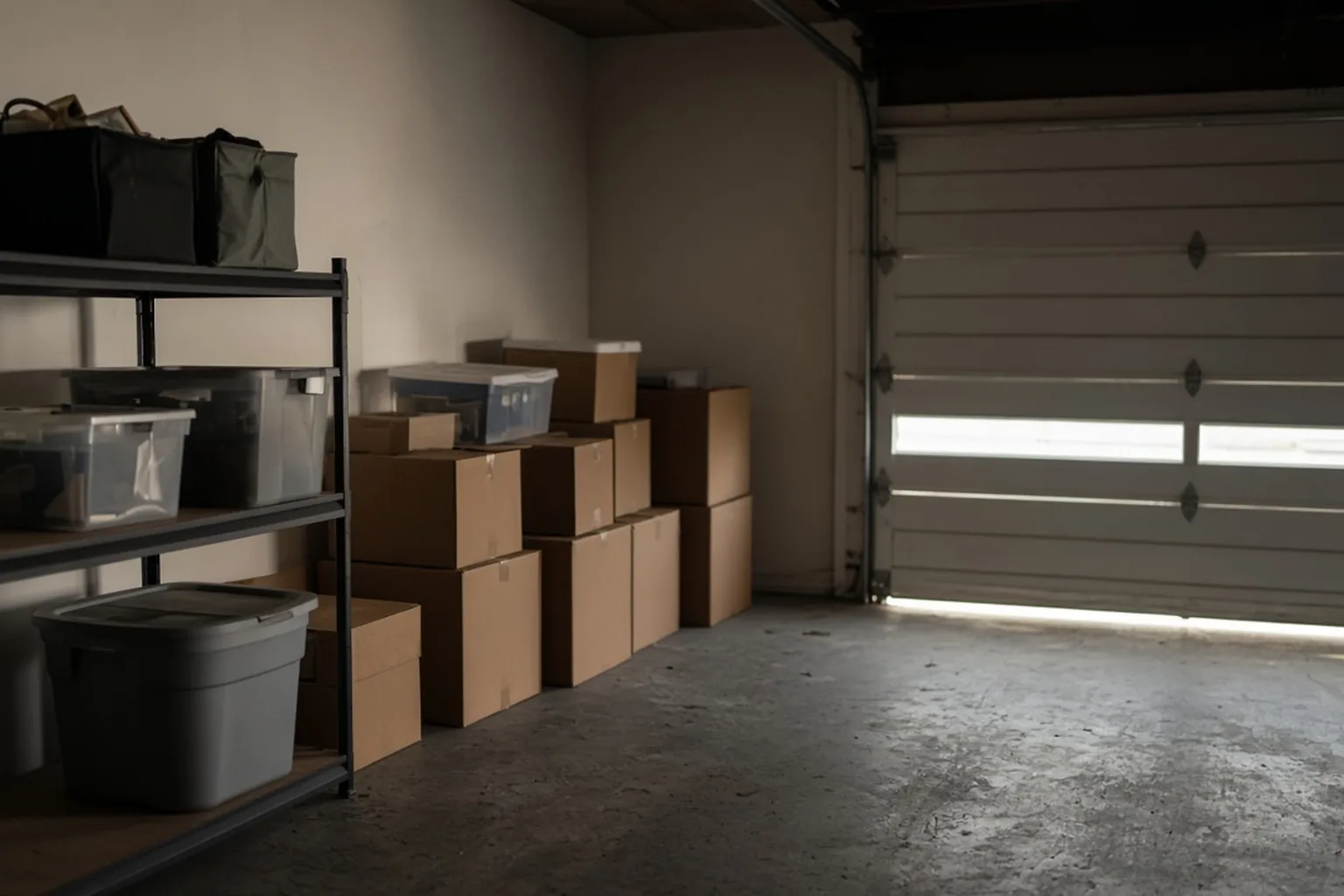 Light under the garage door means a gap a snake can use. A new seal fixes it.
What you can safely do yourself.
Mow short near the house, move woodpiles and rocks away, seal gaps under doors, and deal with mice. These steps cost almost nothing, are completely safe, and are the part that lasts.
snakes activity by season.
The most useful first step in Diy Vs Professional Snake Control is to note where you have seen snakes and when they appear, because that timeline is what lets a provider focus on the right area instead of treating the whole property. In Diy Vs Professional Snake Control, checking the foundation, gaps around doors and windows, and any moisture or clutter near the structure usually turns up the conditions that are letting them in. Scheduling before the busy stretch, rather than after it, tends to mean faster service and a more accurate quote, and a local provider can point out the conditions that matter most in Diy Vs Professional Snake Control.
 Leaf piles against the house are snake cover in fall. Rake them away from the foundation.
Where DIY goes wrong.
A harmless snake in an open area can be moved with a broom and a lidded trash can — if you're certain of what it is. Everything past that is a professional's job: anything you can't identify, anything venomous, anything inside a wall, and anything that's already bitten someone. A dead rattlesnake can still bite by reflex.
The accident math.
Most bites land on people who chose to interact with the snake — reaching into a woodpile, swinging a shovel, or picking up a dead one. The cheapest way to be safe is to keep your hands out of it.
What a professional adds.
Correct identification, legal and safe capture, and the inspection that finds the gap and the rodent problem. You're not paying for a bucket and tongs; you're paying for the part that keeps the next snake out.
The DIY toolkit.
The useful DIY snake tools are boring and cheap: a broom and a lidded trash can for a certain harmless snake, plus caulk, steel wool, door sweeps, and quarter-inch hardware cloth for the sealing. Skip the snake repellents and mothballs — they don't work.
When DIY saves vs. when it costs more.
DIY wins on prevention: sealing, mowing, and rodent control are safe and worth doing yourself. DIY loses on removal: a misidentified snake, a bite, or a relocated animal that doesn't survive can cost far more than a professional visit. The line is simple — prevention yourself, removal hired out.
What the numbers actually are.
For context, published benchmarks put a typical snake removal around $350 and relocation around $300, with venomous or attic removals around $500 (Local quotes vary; ask for a written estimate. Those are planning numbers, not a quote — but they let you weigh whether a DIY gamble is even worth it against a professional's fee.
The legal angle.
In several states, protected snakes can't legally be killed, and even relocation has rules about where and how far. A professional knows which species are protected and what the law allows; a homeowner acting alone can turn a harmless snake into a fine. That legal risk is part of why removal is usually hired out.
Relocation done right.
Moving a snake far from home often does it more harm than good — it may not survive in unfamiliar territory. Professionals release the animal nearby, where the law allows, so it can re-establish itself. That's a conservation detail a homeowner with a shovel usually gets wrong.
Reading a professional's report.
A good removal ends with a report, not just a gone snake: what species it was, where it was released, which gap it used, and what sealing is recommended. That written record is what lets you fix the door it came through — and it's the difference between a service call and a permanent fix.
Insurance and licensing.
A professional carries liability insurance and, where required, a wildlife-control license — protection you don't get handing a neighbor a shovel. Before you hire, ask for the license number and proof of insurance. It's the same diligence you'd run on any contractor, and it matters more when a venomous animal is involved.
When the DIY decision is made for you.
Sometimes the choice isn't yours: a snake in a shared wall of a rental, a protected species you can't legally touch, or a child's schoolyard where liability looms. In those cases, "do it yourself" was never really on the table — hire it out and keep the paper trail.
What affects the price
- Whether it's venomous — safety protocol and insurance push the price up.
- Where it is — an open yard is quick; inside a wall or attic is not.
- Whether entry points need sealing on top of removal.
- How many snakes, and whether there's evidence of breeding.
- Timing — same-day and after-hours calls usually cost more.
- Whether rodent control is folded into the job.
📊
Would you rather:
When to call for help
Call when you can't identify the snake with confidence, when anything rattles or has a triangular head with vertical pupils, or when the snake is inside the house, garage, or crawl space.
What you can do yourself
Plenty of snake work is safely yours: mow short, clear cover, seal gaps, and control mice. What isn't yours is the snake itself. If you're not certain what it is — or it's inside, or it rattles — hire it out. A dead rattlesnake can still bite by reflex.
Where you live matters
Snake species and activity vary by region. Learn the short venomous list for your state and treat anything you can't identify as venomous.
Snake safety tips
Look from a distance, and don’t guess
Many harmless snakes look a lot like venomous ones. Around your home, keep well back, take a zoomed-in photo, and compare it with your state wildlife agency’s guide.
If someone is bitten
Get medical help right away for any snakebite. Move away from the snake and don’t try to catch it. Don’t use a tourniquet, cut the wound, suck out venom or apply ice.
CDC: snakebite first aidBased on guidance from the CDC and university extension services.
How we check our sourcesSimple ways to keep snakes away
- Seal every gap larger than a quarter inch in the foundation, siding, and roofline.
- Add door sweeps and screen vents, especially on crawl spaces.
- Mow short near the house and clear brush, woodpiles, and rock piles.
- Store firewood off the ground and away from the house.
- Control mice and rats — remove birdseed, pet food, and other attractants.
- Trim shrubs up from the soil and tree branches back from the roof.
- Fix dripping taps and standing water, which draw frogs and the snakes that eat them.
 Ask what kind of snake it is, where it'll be released and whether sealing is included.
Did you know?
Snakes smell with their tongues, transferring scent to the Jacobson's organ in the roof of their mouth.
A rattlesnake's heat-sensing pits can detect temperature changes as small as 0.003°C.
A dead rattlesnake can still bite by reflex for up to an hour.
Questions people ask
Can I remove a harmless snake myself?
If you're certain it's harmless and it's in an open area, a broom and a lidded trash can will work. If you're not certain, don't.
Is it worth paying a professional for one snake?
Usually yes, because the professional also finds the gap it used and any rodent problem — the parts that keep the next snake out.
What's the most dangerous part of DIY?
Misidentifying a venomous snake, or handling a snake that's defensive. Both are how bites happen.
What's the safest thing I can do myself?
The prevention: mow short, clear cover, seal gaps, and control rodents. Leave handling the snake itself to a professional.
Is DIY snake removal legal?
In most states you may remove a snake from your own property, but several protect certain species and regulate relocation. Check with your state wildlife agency before acting.
Sources (8)
The facts in this article come from the public sources listed above. Every home is different, so ask the company you talk to about pricing and what’s included. Published by Snake Exterminator · Updated October 13, 2026 · How we write these guides